
Tirthan & Sainj
An offbeat haven of slow travel, trout fishing, and dense pine forests, serving as the gateway to the UNESCO-listed Great Himalayan National Park.
Tirthan & Sainj At A Glance
The Tirthan and Sainj valleys offer a pristine, slow-paced alternative to Himachal's more commercialized destinations. Acting as the buffer zones for the Great Himalayan National Park (GHNP), these valleys are defined by crystal-clear rivers, dense pine and oak forests, and traditional wooden villages. Shangarh in the Sainj valley is renowned for its expansive, sacred meadow, while Tirthan is known for its riverside homestays and trout fishing. This region is suited for travelers seeking nature, quiet village walks, birdwatching, and responsible trekking. It lacks the bustling markets and adventure hubs of Manali, focusing instead on immersive, nature-led travel and community-based tourism. It is ideal for those wanting to detach and explore unhurried forest ecosystems.
Gushaini
Explore the UNESCO-listed Great Himalayan National Park. Options range from the easy eco-zone trail to Rolla, to challenging multi-day core zone treks.
Shangarh
A picturesque village in the Sainj Valley, famous for its large, sacred meadow and wooden temple.
A scenic but steep route entering via Narkanda and crossing the Jalori Pass. Jalori is subject to winter snow closures.
Jibhi
-
Cellular Networks: BSNL post-paid works reliably in Tirthan; Jio 4G covers Tirthan and Tirthan with periodic blackouts. No coverage in remote homestays (Tirthan/Pin).
-
Medical Infrastructure:Basic medical facilities available in Banjar. Major emergencies require travel to Kullu or Mandi.
-
Cash Economy:ATMs available in Banjar. Remote homestays in GHNP ecozone require cash.
The 12-Month Tirthan Cycle
Visit the stunning, pine-fringed meadow in the Sainj valley. A sacred space centered around the historic Shangchul Mahadev temple.
Spring arrives. Trout fishing season begins. Fruit orchards start blooming across the Sainj and Tirthan valleys.
Peak summer season. Excellent weather for trekking in the Great Himalayan National Park. Jalori Pass fully opens.
Pre-monsoon period. Forests are lush green. Ideal for camping and multi-day treks into the GHNP core zone.
Heavy monsoon showers. Trekking inside the park is restricted. Roads may experience minor landslides. Fishing is suspended.
Autumn brings clear skies and cool temperatures. A spectacular time for photography and clear views of the high ranges.
Experiences Shaped by the Forest
Tirthan and Sainj are defined by their pristine river ecosystems, dense forests, and a commitment to eco-tourism over mass commercialization.
GHNP Buffer Treks
Walk through the dense, biodiverse forests of the Great Himalayan National Park's buffer zone.
Riverside Homestays
Experience slow living by staying in traditional wooden homes along the Tirthan River.
Shangarh Meadow
Visit the sacred, expansive meadow of Shangarh, surrounded by dense deodar forests.
Village & Architecture Walks
Explore villages featuring traditional Kath Kuni architecture and intricate wooden temples.
Tirthan Places Across Tirthan & Sainj
Each hamlet and monastery holds distinct microclimates, geological strata, and historical context.
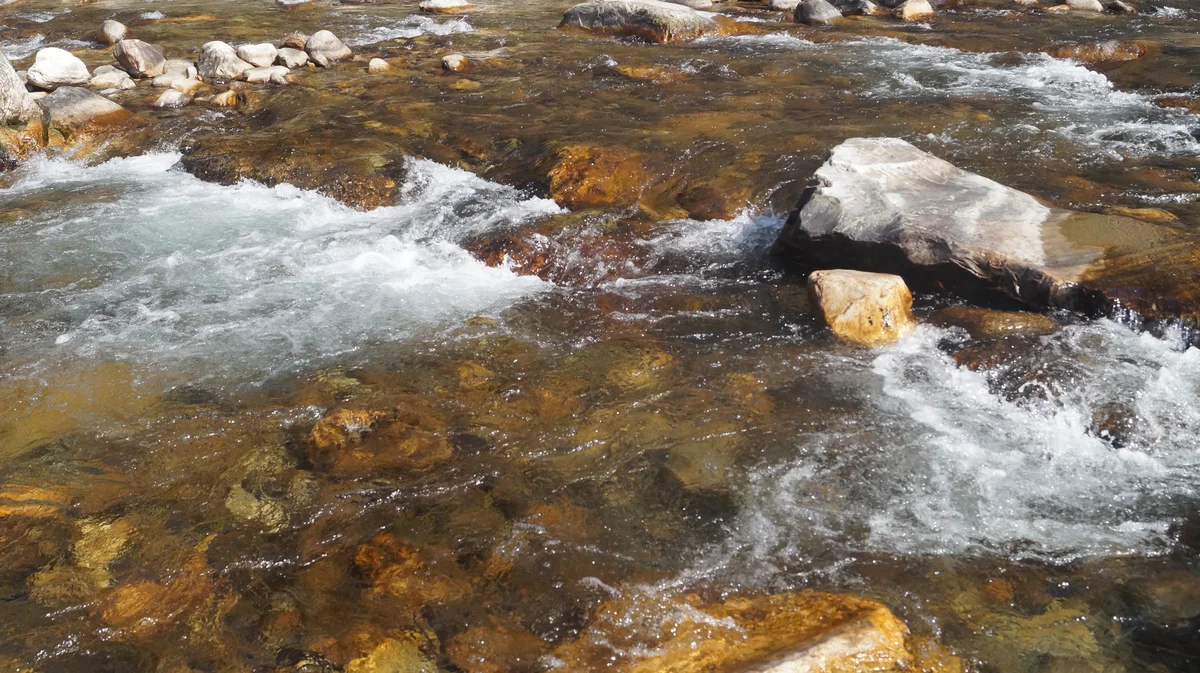
Gushaini
A quiet village along the Tirthan River, serving as the primary base for accessing the GHNP.
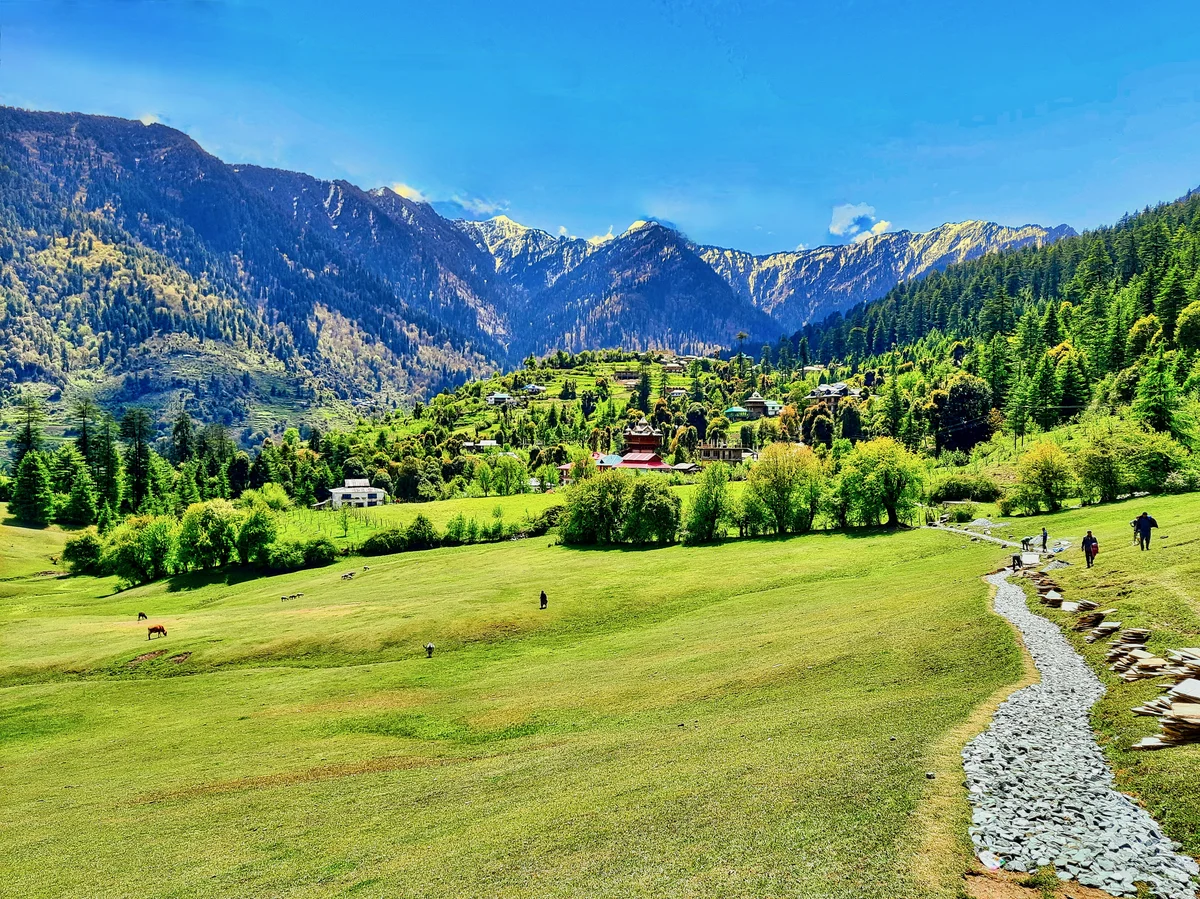
Shangarh
A picturesque village in the Sainj Valley, famous for its large, sacred meadow and wooden temple.
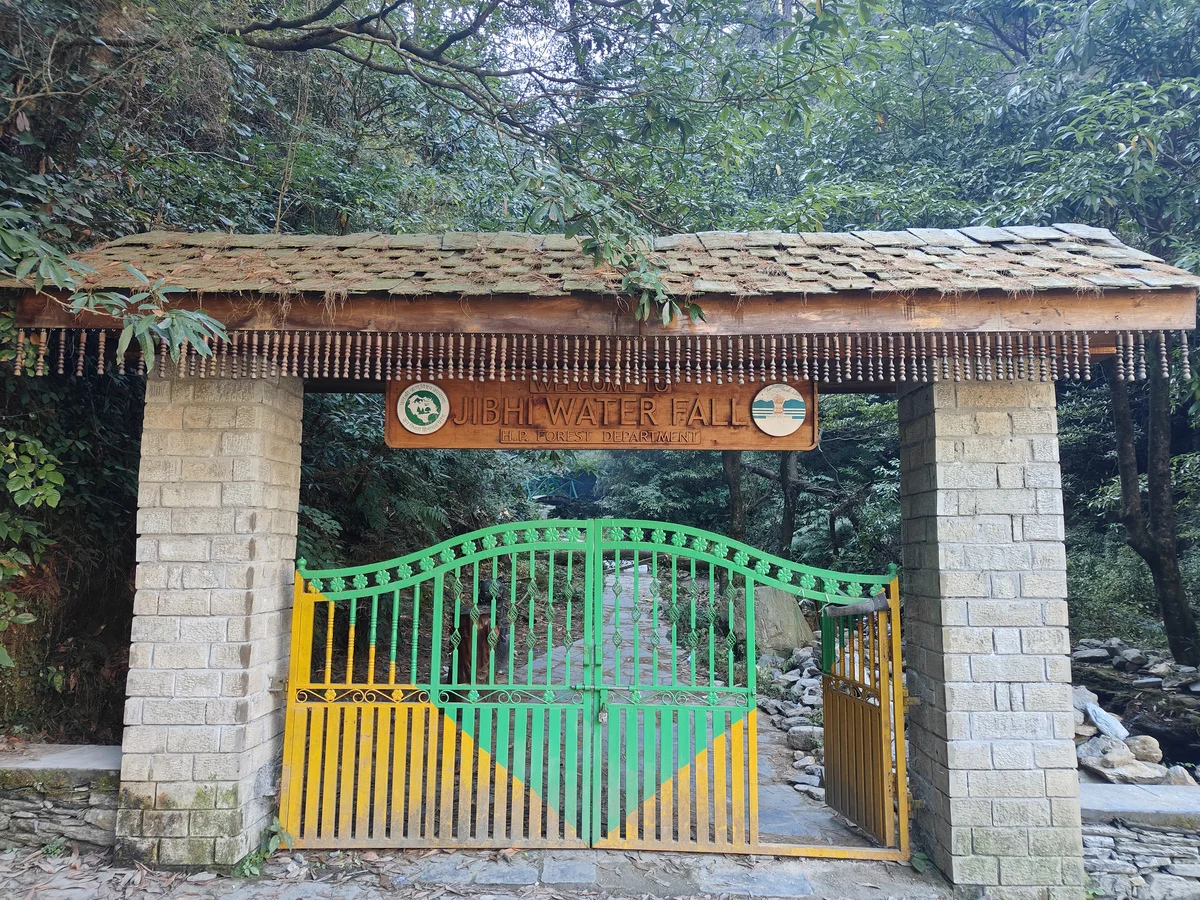
Jibhi
A popular, scenic hamlet with pine forests, wooden houses, and a growing cafe culture.
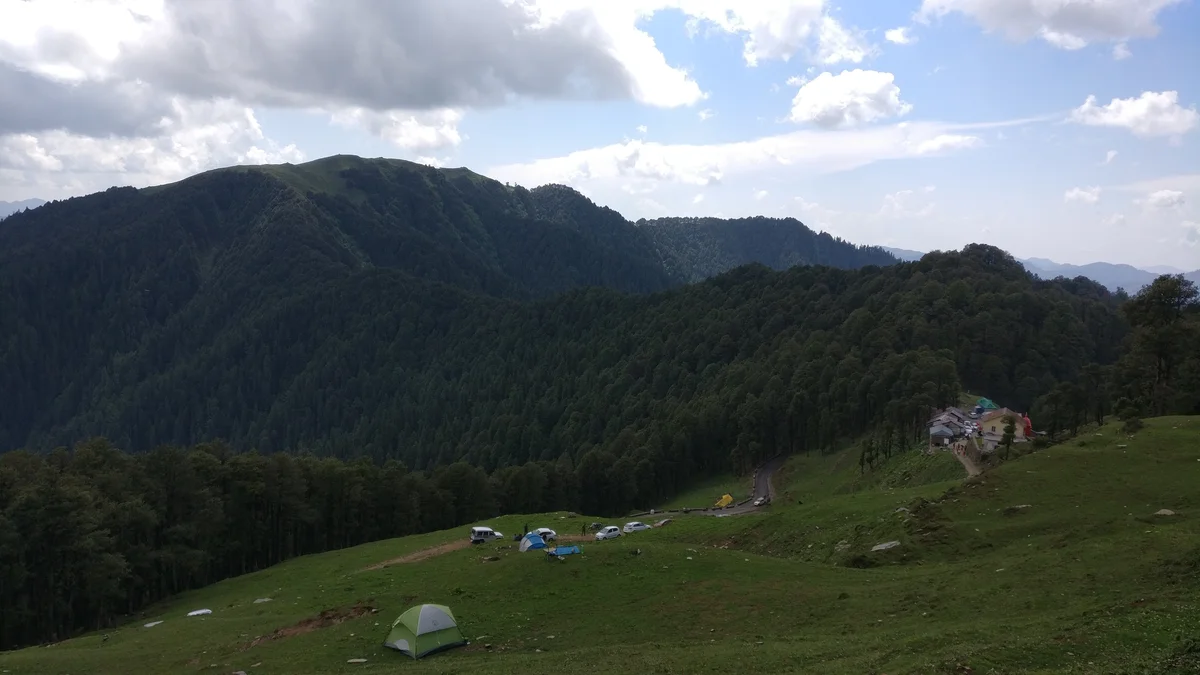
Jalori Pass
A steep mountain pass connecting Kullu to Shimla, offering panoramic views and access to Serolsar Lake.
Sainj
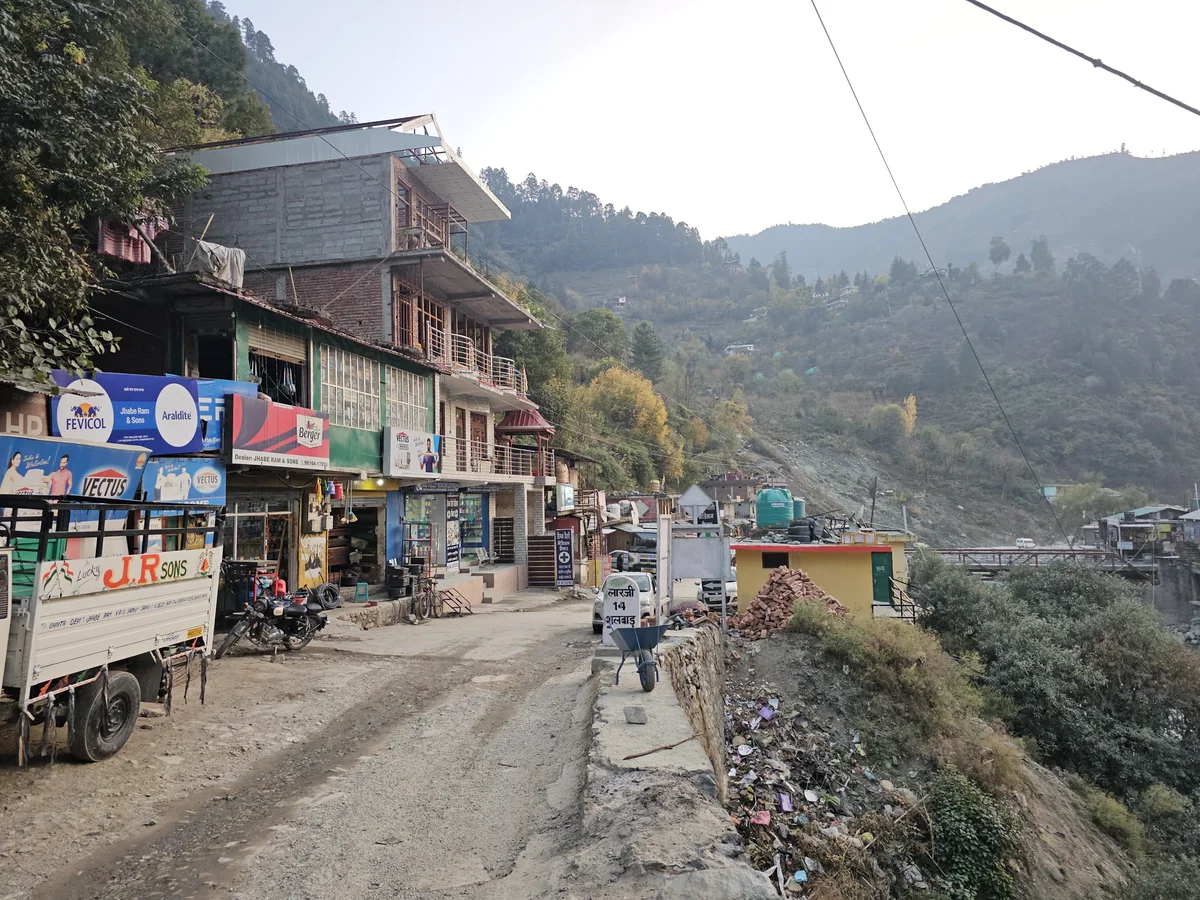
A quiet, lesser-visited valley characterized by apple orchards, traditional villages, and forest trails.
Serolsar Lake
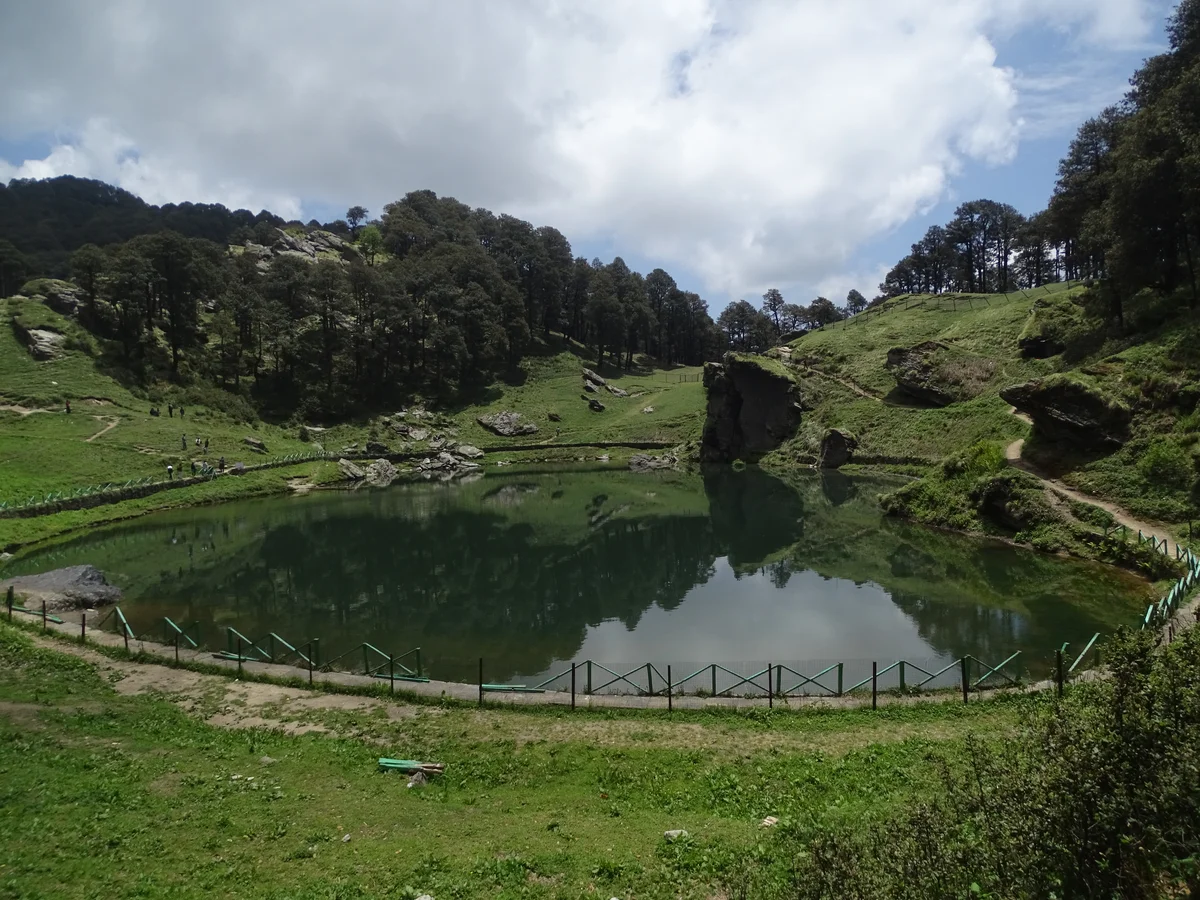
A serene, high-altitude lake surrounded by oak forests, accessible via a trek from Jalori Pass.
Structured Tirthan & Sainj Circuits
Thoughtfully paced eco-valley itineraries designed around Great Himalayan National Park trailheads, tranquil riverside homestays, and Shangarh meadow walks.
The Tirthan Riverside Escape
A relaxed itinerary focusing on riverside homestays along the Tirthan river in Gushaini, guided nature trails to the GHNP eco-zone gate, and Chhoie waterfall.
Twin Valley & Shangarh Meadows
An immersive journey across both Tirthan and Sainj valleys: river stays in Gushaini paired with quiet pine-forest walks and heritage pagoda temples around the alpine meadow of Shangarh.
Jalori Pass & Serolsar Lake Trail
An active mountain trail itinerary: cross the panoramic Jalori Pass (3,120m), hike through ancient oak forests to the sacred Serolsar Lake, and explore the historic Raghupur Fort ridge.
Tirthan & Sainj Eco-Valleys vs Commercial Mountain Centers
Tirthan and Sainj are secluded, eco-sensitive valleys focused on wilderness, forest trails, and slow travel, contrasting sharply with commercial tourism hubs. Here is an honest qualitative comparison.
| Evaluation Parameter | Tirthan & Sainj Valleys | Commercial Mountain Hubs |
|---|---|---|
| Atmosphere & Environment | Tranquil forest acoustics, crystal-clear trout river, minimal vehicular noise, and clean alpine air. | Bustling tourist streets, commercial markets, vehicular traffic, and dense evening promenades. |
| Conservation & Trails | Direct trailheads into Great Himalayan National Park (UNESCO World Heritage Site) eco-zone. | Designated activity parks, commercial ropeways, motorized adventure areas, and crowded lookouts. |
| Accommodations & Stays | Locally owned riverside wooden homestays, traditional Kath-Kuni eco-lodges, and home-cooked meals. | Multi-storey concrete hotels, commercial resort chains, convention centers, and multi-cuisine strips. |
| Travel Pace & Rhythm | Unhurried slow travel: angling, birdwatching, village walks, book reading, and gentle day hikes. | Fast-paced checklist sightseeing, adventure vendor packages, souvenir shopping, and group itineraries. |
| Accessibility & Density | Accessed via single-lane mountain road from Aut/Banjar; small-vehicle traffic with low visitor density. | Direct multi-lane highway or airport connections; heavy peak-season vehicular volume and tour buses. |
Practical Ground Reality
Access is via the Delhi-Manali highway, turning off before the Aut tunnel. The roads within the valleys are narrow and winding. Accommodation consists primarily of homestays, boutique guesthouses, and eco-camps; there are no large resort chains. The region emphasizes responsible travel; respect local customs, especially around sacred sites like the Shangarh meadow. Entering the core zone of the GHNP requires permits and registered guides.
Tirthan Field FAQ
Direct, pragmatic answers to questions travelers ask before embarking.
Ready to Shape Your Tirthan Expedition?
No automated generic itineraries. Speak directly with route specialists who monitor daily snowfall, road clearance reports, and homestay capacities across the valley.