Himachal Pradesh Season Advisory · October Autumn Windows Active · Local Himalayan Planners
INDEX REF: EXP-HP-2026 / HIMALAYAN SURVEY GEOGRAPHY: 31°06'N TO 32°50'N
Himalayan Field Modalities · Cartographic Series

Choose the way you want to experience the mountains.

The Himalaya is not an amusement park. Each modality demands a different cadence, physical readiness, and seasonal calibration. Discover how to traverse this fragile, sacred topography with deliberate intention.

Field Overview Validated 2026
06 Disciplines
1,600–4,550m Survey Altitudes
Foot Traverses Overland Passes Monastic Sanctuaries Winter Freeze
MODALITY 01 / FOOT TRAVERSE
ALTITUDE: 2,050m → 4,270m
On-Foot Alpine Traverses Pass Crossings

Treks & Passes

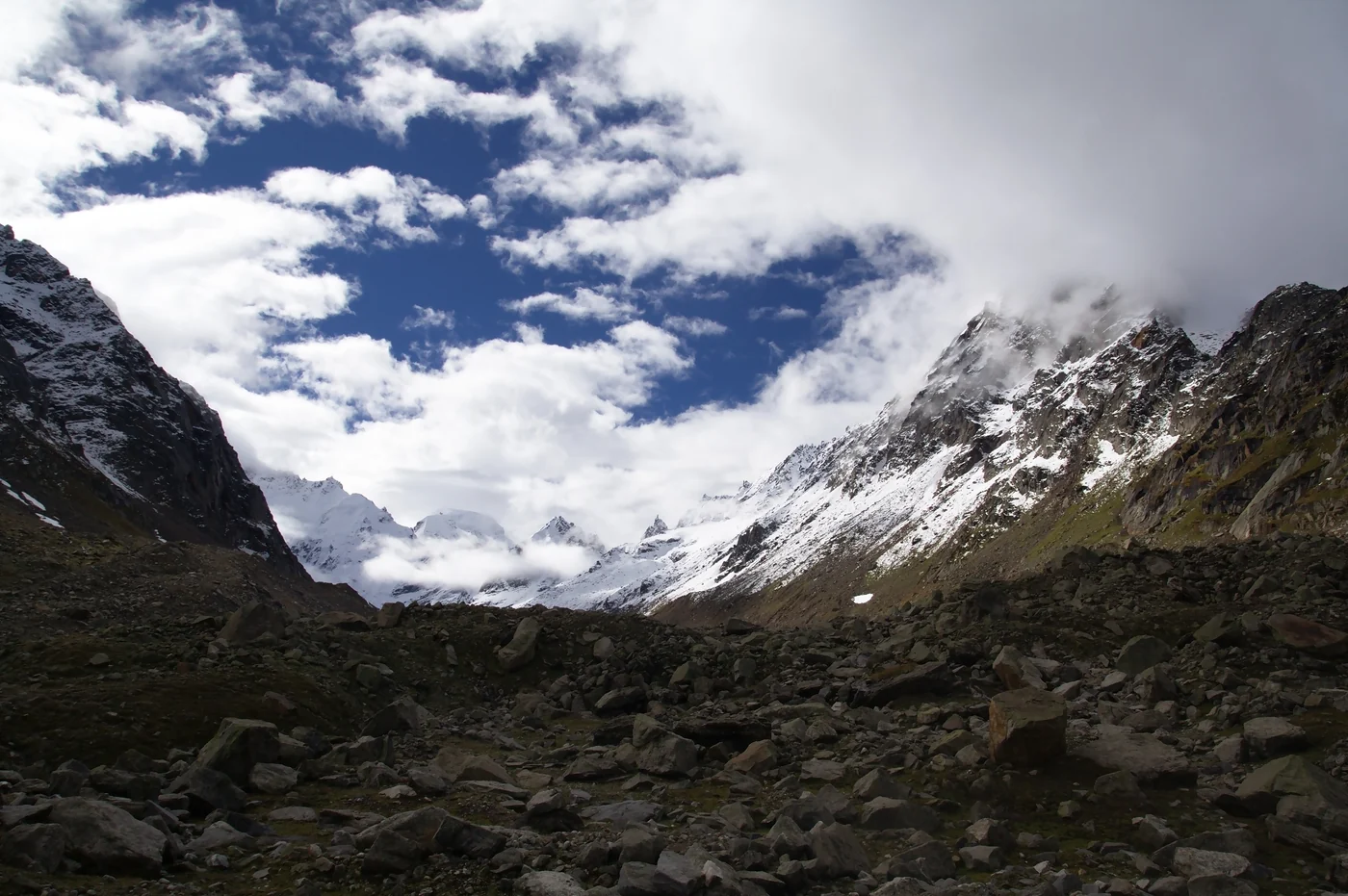
Gradual acclimatization, pristine glacial moraines, and high-altitude col crossings. Moving across the Pir Panjal and Great Himalayan ranges solely by physical cadence, sleeping in wilderness tent camps and remote alpine meadows.

Terrain Difficulty
Moderate–High
Best Windows Mid-June to Oct
Physical Demand 5–7 hrs daily hiking
Key Routes Hampta, Beas Kund, Pin Parbati
Explore Treks & Passes Min. 4 to 9 Days
Modality 02 / Overland High-Pass Circuits

Road Journeys & High Circuits

1,200+ km Trans-Himalayan Transit 4x4 & Sturdy SUVs

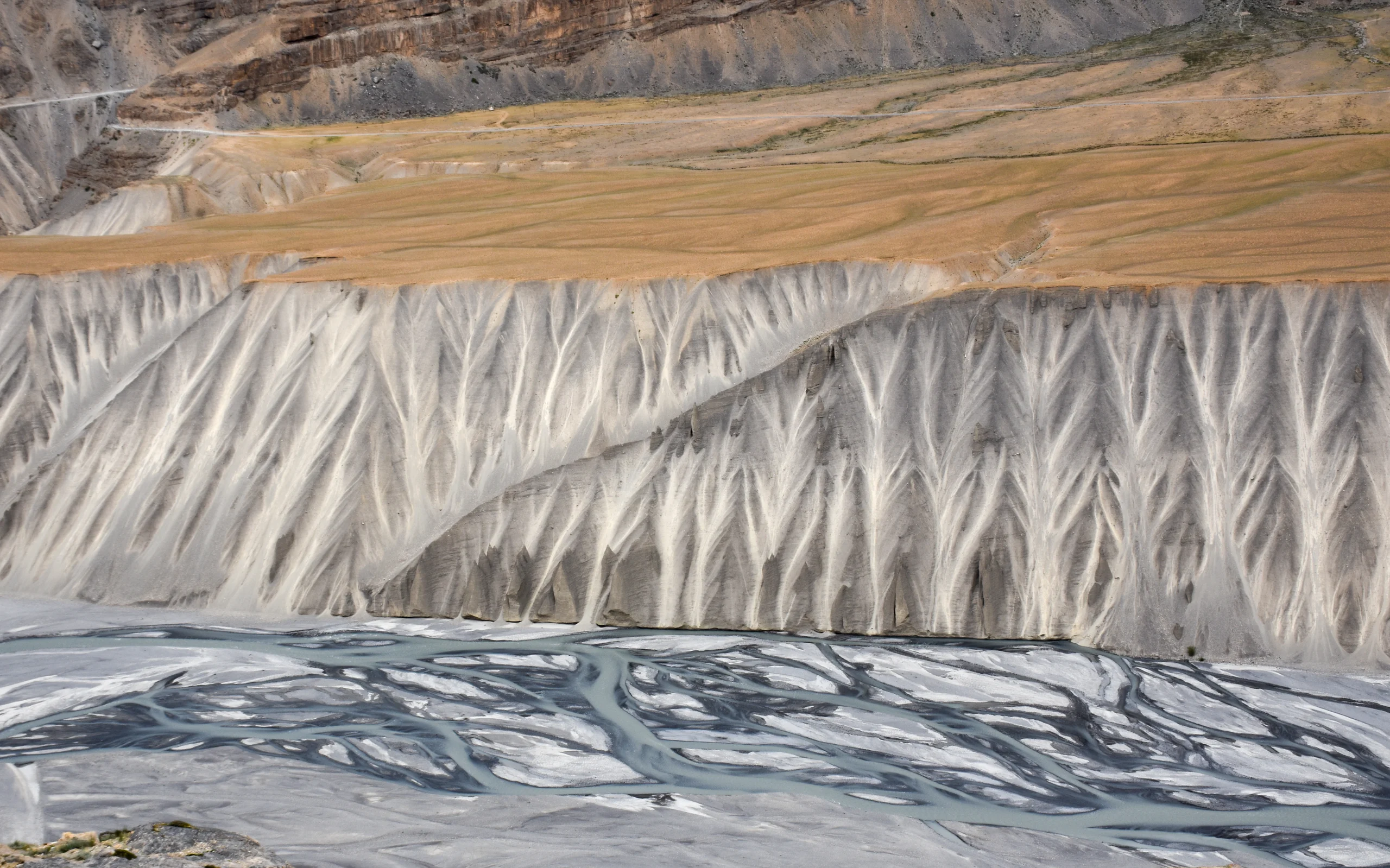
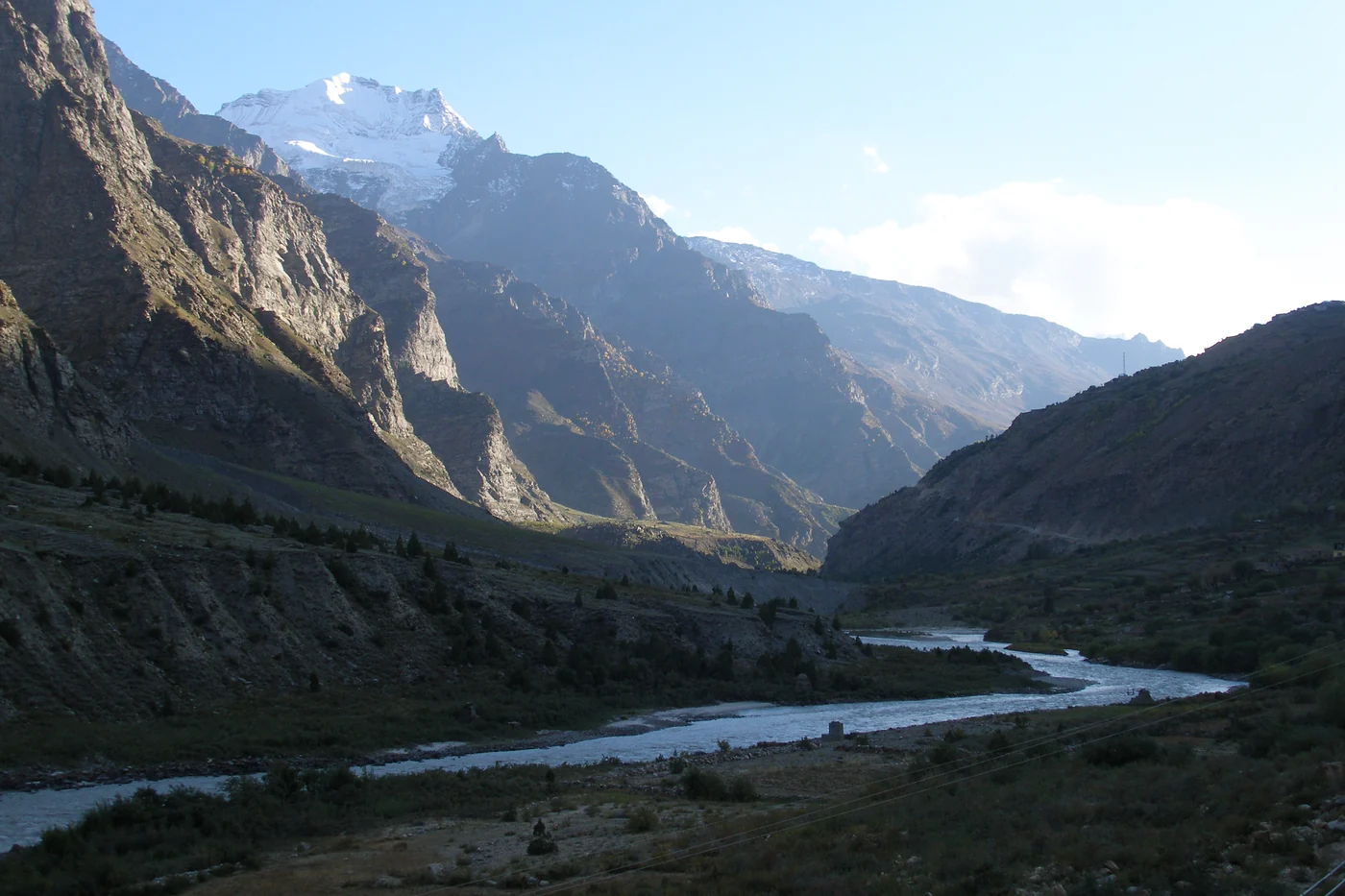
The legendary Hindustan-Tibet Highway carving vertical rock-cliffs into Kinnaur, climbing beyond tree lines over Kunzum La (4,551m) into the cold desert moonscape of Spiti. Slow vehicular pacing engineered strictly around physiological altitude acclimatization steps.

Shimla 2,276m · Day 01
Sangla Valley 2,680m · Day 02–03
Kalpa & Nako 3,662m · Day 04
Kaza / Spiti 3,800m · Day 05–07
Manali (via Atal) 2,050m · Day 08
Transit Calibration

Planned for 4 to 6 hours of road travel per day to prioritize daylight arrivals, subject to mountain road conditions and weather delays.

Explore Road Journeys
MODALITY 03 / LIVING RESIDENCY
Responsible Wilderness & Stays

Camps, Cottages & Homestays

Shelter as a cultural portal. Move past anonymous concrete resorts to dwell in century-old Kinnauri kath-kuni wood houses, mud-brick Spiti family hearths, and low-impact canvas river camps.

Pace Gentle & Restorative
Best Season April to November
Explore Camps & Stays
MODALITY 04 / SACRED LINEAGES
Living Tibetan Buddhist Heritage

Monasteries & Living Culture

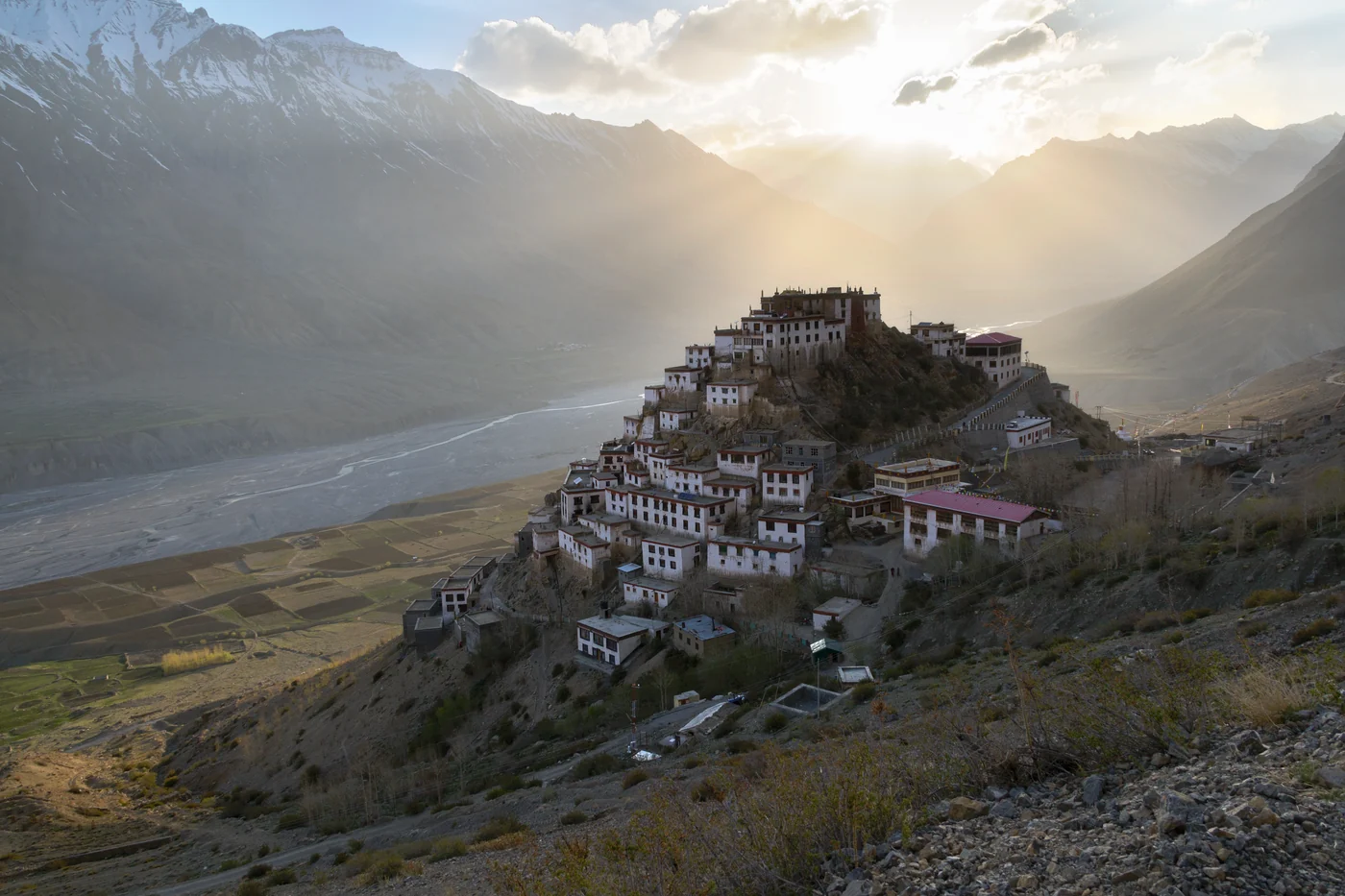
Experience the intact spiritual enclaves of Western Tibet in Spiti. Tabo’s millennial mud frescoes, sunrise conch shells echoing across the pinnacles of Dhankar, and living monastic wisdom guided by local community scholars.

Focus Spiritual & Architectural
Calendar Year-Round Access
Explore Culture & Monasteries
MODALITY 05 / SUB-ZERO ARCTIC CALIBRATION
Cold Desert Whiteout & High Frost

Snow & Winter Expeditions

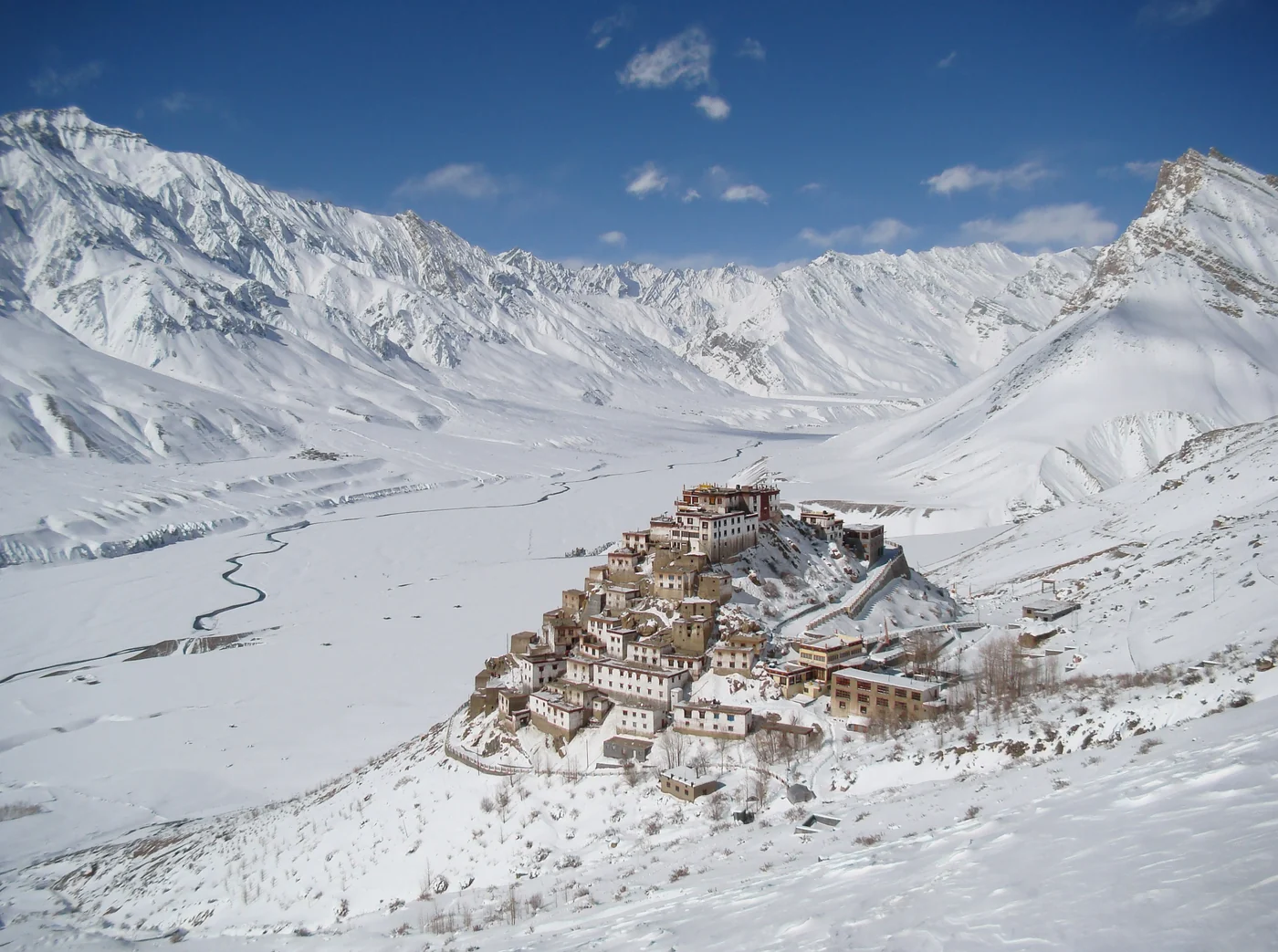
When the high valleys empty of casual tourists, silence reclaims the heights. Sub-zero thermal insulation, warm Bukhari wood fires, snow leopard tracks in Kibber, and frozen ice waterfalls in Solang and Spiti.

Prep Level Extreme Cold Gear Required
Window Dec to Early March
Explore Snow & Winter
MODALITY 06 / RIPARIAN SANCTUARIES
Glacial Valleys & Angling Sanctuaries

River Valleys & Forest Trails

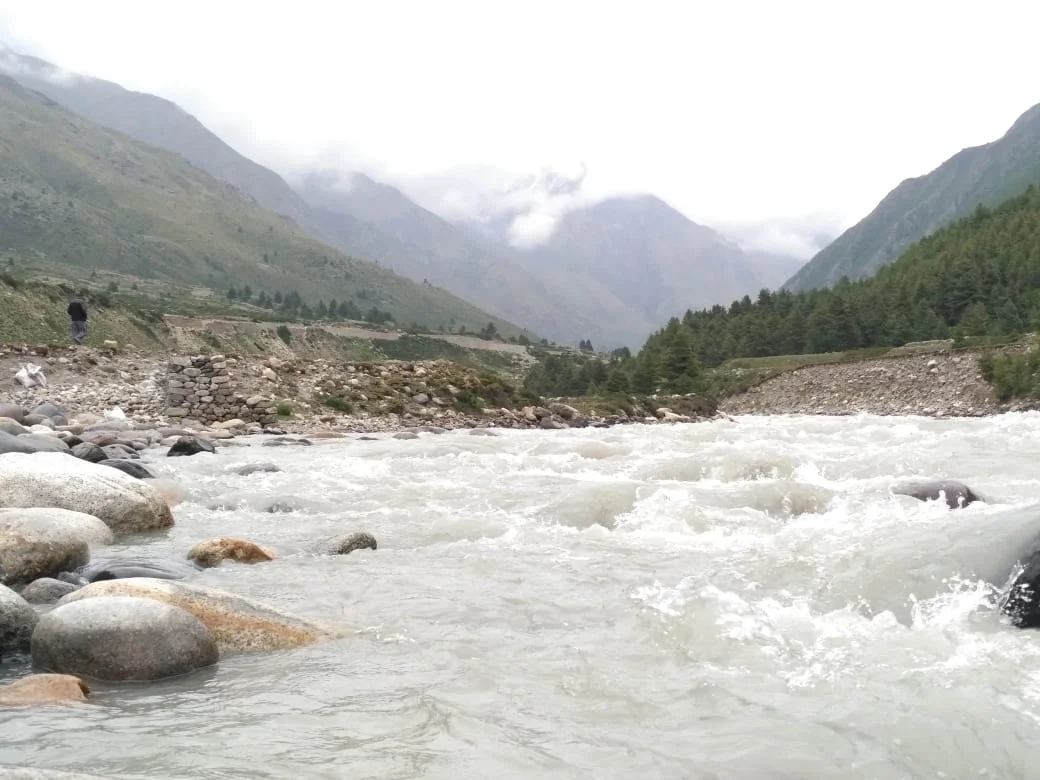
Temperate sanctuary corridors along the Tirthan and Sainj rivers. Catch-and-release brown trout angling, day walks into the buffer zone of the Great Himalayan National Park (UNESCO), and meditative meadow stillness.

Difficulty Gentle to Moderate Walking
Prime Window Mar–Jun & Sep–Nov
Explore River & Adventure
Planning Calibration

Calibrating Your Mountain Cadence

Honest assessments across physical demand, altitude risk factors, and pacing. Compare modalities side-by-side to align with your party's experience level.

High Rigor Moderate Attention Low Risk
Swipe horizontally to compare all modalities →
Modality Discipline Physical Demand Altitude Risk Profile Accommodation Type Family / Multi-Gen Suitability
Treks & Passes High (5–7h daily) High risk; acclimatization camps strictly compulsory Alpine 4-season tents, wilderness bivouacs Teens 14+ & fit adults only
Road Journeys Moderate (Sitting endurance) Moderate; stepped ascending route eliminates AMS Boutique valley hotels & village stays Highly suitable (Ages 8 to 68)
Camps & Stays Gentle (Leisurely walking) Very low; lower valleys (1,600m – 2,400m) Kath-kuni cottages, riverfront glamping Excellent for all generations
Monasteries & Culture Gentle to Moderate Moderate to High in Spiti (3,600m+); hydration vital Traditional homestays, monastic guest lodgings Suitable with steady pacing
Snow & Winter High (Cold resilience) Elevated; cold air accelerates hydration loss Heated homestays with Bukhari hearths Not advised for toddlers or frail elders
River & Forest Active / Flexible Minimal (1,600m - 2,100m elevation) Forest eco-lodges, riverside stone cottages Ideal for family retreats
Field Protocol · Mountain Code

Ground truth standards for fragile Himalayan watersheds.

We operate under strict mountain conservancy ethics. No single-use plastic bottles on any trek or road vehicle, direct-to-family homestay revenue distribution that bypasses urban intermediaries, and zero high-speed itineraries that neglect human altitude physiology.

100% Verified Local Direct Revenue
Zero Single-Use Plastics Allowed
1:1 Altitude Acclimatization Buffer
Direct Mountain Field Office

Unsure which travel modality fits your timing and group?

Speak with seasoned Himalayan planners stationed directly in Himachal. We assess your physical comfort, travel month, and group composition before recommending a single route.