
Himalayan Field Guides & Preparation Intelligence
Practical logistics, seasonal weather windows, altitude awareness, mountain road realities, and cultural etiquette for thoughtful travel across Himachal Pradesh and trans-Himalayan valleys.
Best Time to Visit: Microclimates & High Passes
Himachal Pradesh does not share one uniform weather cycle. Middle valleys like Kullu, Shimla, and Tirthan experience green monsoons from July to August, whereas Trans-Himalayan Spiti sits behind the Pir Panjal range in a semi-arid rain shadow where rainfall is minimal.

Seasonal Windows Across Regions
Spring (April – May)
Apple and cherry blossoms bloom across Kinnaur and Kullu. Lower valleys are warm, high passes remain snowbound, and roads to Spiti are accessible only via Shimla.
Summer (June – August)
Kunzum Pass (4,551m) opens in late June, completing the Spiti circuit. While Spiti is dry and sunny, Kinnaur and Kullu face active monsoon showers requiring landslide buffers.
Autumn (September – October)
The premier window for overland travel. Crisp visibility, golden poplars, settled weather, and apple harvest. Nights drop below freezing in high plateaus.
Winter (November – March)
Extreme sub-zero expedition season. Kunzum Pass closes; Spiti enters winter isolation accessible only via NH5. Ideal for dedicated snow leopard tracking and frozen landscapes.
Mountain Road Conditions & Seasonal Overland Access
Traversing high Himalayan corridors requires understanding road topography. Over 60% of mountain transit delays stem from preventable factors: driving late in the afternoon when glacial snowmelt engorges water crossings (*nalas*), or taking low-clearance vehicles onto unpaved moraine stretches.
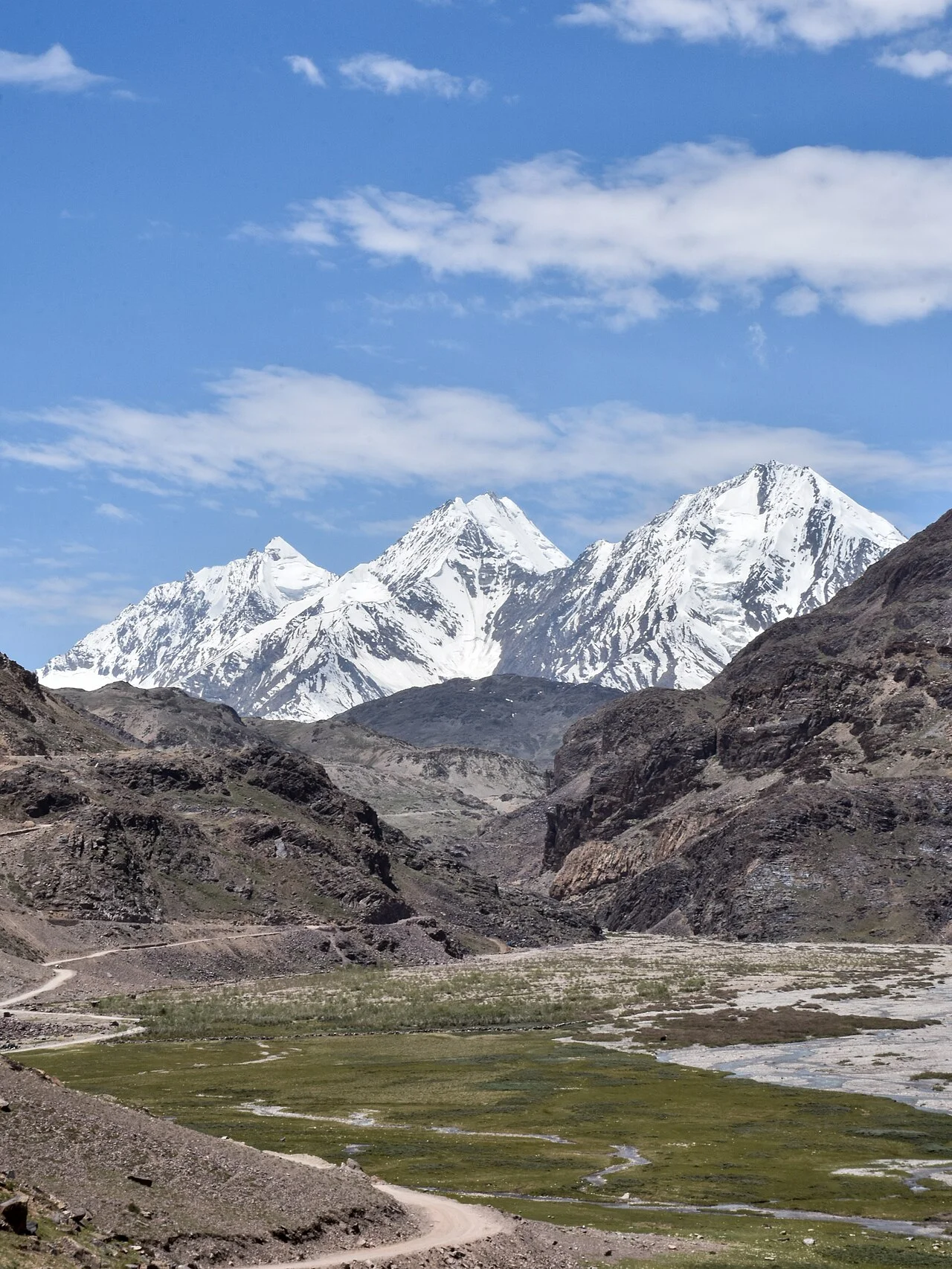
Key Mountain Corridors & Road Realities
Hindustan–Tibet Highway (NH5)
Carved into sheer granite overhangs through Kinnaur. The road is open year-round up to Reckong Peo, with active maintenance by Border Roads Organisation (BRO). Notable sectors like Taranda Dhank require steady mountain drivers.
Manali to Kaza Highway (NH505) & Passes
Crosses the Rohtang crest (or Atal Tunnel) into Lahaul, then follows the rugged Chandra river to Batal, Kunzum Pass, and Losar. The stretch between Gramphu and Batal is rough boulder moraine demanding high ground clearance. Kunzum Pass does not have a fixed closure date, but is typically blocked by snow from October/November until June/July. The Rohtang Pass has a daily NGT quota of 1,200 vehicles (800 petrol, 400 diesel) and is closed every Tuesday for maintenance.
Altitude Awareness & Safe Acclimatisation
High-altitude travel involves reduced atmospheric pressure and thinner oxygen levels. Above 2,500 metres (8,200 ft), the body requires time to produce more red blood cells and adapt. Acute Mountain Sickness (AMS) affects travelers regardless of general physical fitness; gradual ascent pacing is the primary preventative measure.
Altitude Guidelines for High Valleys
The Gradual Ascent Curve
When travelling to Spiti, approaching via Shimla and Kinnaur (Sarahan at 2,165m, Sangla at 2,680m, Kalpa at 2,960m) allows the body to acclimatise gradually before reaching Kaza (3,650m). Entering directly via Manali introduces an abrupt 1,800m elevation gain in a single day.
Hydration & Daily Habits
Drink 3 to 4 litres of water daily. Traditional garlic soup and ginger tea are staples that aid comfort. Avoid heavy alcohol consumption and sleeping pills during the first 48 hours at high altitude.
What to Pack: The 3-Layer Mountain System
Himalayan temperatures can swing by over 20°C between direct sunlight and shadow. Rather than relying on a single bulky coat, veteran mountain travelers utilize a versatile three-layer system that can be added or stripped as activity and sunlight change.
1. Base Layer (Moisture Management)
Thermal tops and bottoms made of merino wool or synthetic wicking fabric. Avoid cotton against the skin as it holds sweat and cools the body rapidly when you stop moving.
2. Mid Layer (Insulation)
Fleece pullovers, wool sweaters, or lightweight down jackets that trap warm air close to the core during chilly mornings and evening pass crossings.
3. Outer Shell (Weather Protection)
Windproof and water-resistant breathable jacket (Gore-Tex or treated nylon) to shield against sharp pass winds and sudden rain or sleet.
Alpine Essentials
UV400 category-3 sunglasses (snow glare can burn the cornea), SPF 50+ mineral sunscreen, lip balm, high-capacity power bank (batteries discharge 40% faster in sub-zero cold), and sturdy broken-in hiking boots.
Permits & Travel Rules
Because parts of Kinnaur and Spiti lie adjacent to the international border with Tibet (China), specific identity and travel authorizations apply depending on your citizenship and intended route.
For Indian Nationals
No special inner line permit is required for Spiti, Kinnaur, Kullu, or Shimla. Travelers must carry valid original government photo identification (Aadhaar Card, Passport, or Voter ID) for entry verification at police checkposts in Akpa, Losar, and Malling.
For Foreign Nationals
An Inner Line Permit (ILP) is required to travel through the protected sector between Dubling (Kinnaur) and Tabo (Spiti). Permits are issued at District Administrative offices (SDM Shimla, Reckong Peo, Rampur, or Kaza) in groups of 2 or more through authorized local travel agencies.
National Parks (GHNP)
Entry to the core zone of the Great Himalayan National Park (GHNP) requires a permit from the Shamshi head office, Shai Ropa, or Ropa range offices. Jeep safaris are prohibited; all exploration inside the park boundary is strictly on foot with registered guides.
Responsible Himalayan Travel
High-altitude deserts and mountain valleys have fragile ecological and cultural balances. Waste does not decompose easily at cold elevations: an apple core takes months, and plastic packaging remains intact indefinitely.
Water Discipline
Carry a reusable insulated bottle and a personal water purification system (UV or filter). Refill at village homestays and filtered natural water stations rather than purchasing single-use bottled water.
Leave No Trace on Trails
Carry all non-organic waste (wrappers, batteries, wet wipes) back to major municipal collection centers in Shimla or Manali. Never dispose of trash near glacial water sources or streams.
Village & Homestay Respect
Conserve hot water; traditional firewood heating requires significant labor by local hosts. Support family-run establishments where income directly benefits indigenous valley households.
Wildlife Boundaries
Keep a respectful distance from Himalayan wildlife (blue sheep, ibex, snow leopards, and high-altitude birds). Do not fly drones near nesting sanctuaries or monastic settlements.
Getting to Destinations: Gateways & Transport
Planning a smooth mountain journey starts with selecting the right gateway. Most travelers arrive via Chandigarh or New Delhi before initiating the road climb.
Chandigarh (Primary Air & Rail Hub)
Chandigarh Airport (IXC) and railway junction are the most efficient launching points, cutting 5 to 6 hours of highway driving compared to starting from Delhi. Shimla is 3.5 hours by road from Chandigarh.
Kalka–Shimla UNESCO Toy Train
A historic narrow-gauge railway completed in 1903. Traversing 96 km across 102 tunnels, it offers an unhurried, panoramic ascent into the pine-covered Shimla hills.
Overnight Volvo Coach Services
Government-run HPTDC and HRTC operate dependable overnight Volvo bus routes from New Delhi (ISBT Kashmiri Gate) and Chandigarh to Shimla, Manali, and Aut (for Tirthan Valley).
Dedicated Mountain Taxis
For remote circuits like Spiti and Kinnaur, hiring a seasoned mountain taxi driver from Himachal taxi unions is strongly recommended over plain-road rental self-drive cars.
Local Culture & Sacred Etiquette
Himachal Pradesh is celebrated as *Devbhoomi* (the Land of the Gods). In the middle valleys, ancient village deities (*Devtas*) hold sacred court in wooden pagoda temples. In Spiti and upper Kinnaur, Mahayana and Vajrayana Buddhist monasteries have preserved living monastic traditions for over a millennium.
Monastery Visiting Rules
Always walk around monasteries, stupas (*chortens*), and mani stone walls in a **clockwise direction**. Remove your footwear before stepping into prayer halls (*dukhangs*).
Photography Discipline
Never use flash inside ancient monasteries (such as Tabo and Key), as intense light degrades centuries-old organic pigment murals. Always ask polite verbal consent before photographing monks or village elders.
Sacred Meadow Protocol
Sacred sites like the Shangarh alpine meadow in Sainj Valley are consecrated deity ground. Follow posted signage: remove leather footwear where requested, and strictly refrain from alcohol, smoking, or loud amplified music.
Greeting & Modesty
A warm *"Julley"* in Spiti and Ladakh or *"Namaste"* in the middle valleys establishes instant goodwill. Dress respectfully with shoulders and knees covered when entering village precincts.
Need route clarity for your specific month?
Mountain road conditions and pass access shift every few weeks. If you have questions about specific passes, vehicle types, or travel dates, share your details with our expedition planners.