
Sleep where the valley breathes.
True Himalayan hospitality is neither a cold marble five-star hotel nor an unregulated roadside plastic tent. It is a warm Bukhari hearth in a century-old village home, or a low-impact river campsite pitched with ecological reverence.
Four Ways We Anchor in the Hills
Every shelter in our network is hand-selected based on cultural integrity, structural longevity, and the host family’s connection to land stewardship.

Traditional Kath-Kuni Village Homestays
Multi-storey masterworks constructed with interlocking deodar timber beams and dry-stacked mountain slate without a single iron nail. The flexible joints withstand severe Himalayan seismic shifts. Guests sleep under heavyweight hand-spun sheep wool blankets, waking up to the smell of roasted barley tea and cedar resin in family homes that have stood for four generations.
Spiti High Mud-Brick Adobe Homes
Perched between 3,800m and 4,400m, high-altitude desert survival dictates 60cm-thick sun-dried straw and silt walls. The ground floor holds livestock winter shelter whose radiant body warmth rises to heat the guest living chambers above. In the communal winter room, a cast-iron Bukhari stove burns aromatic juniper twigs while hosts brew salty yak butter tea and restorative dried sea buckthorn berry decoctions.

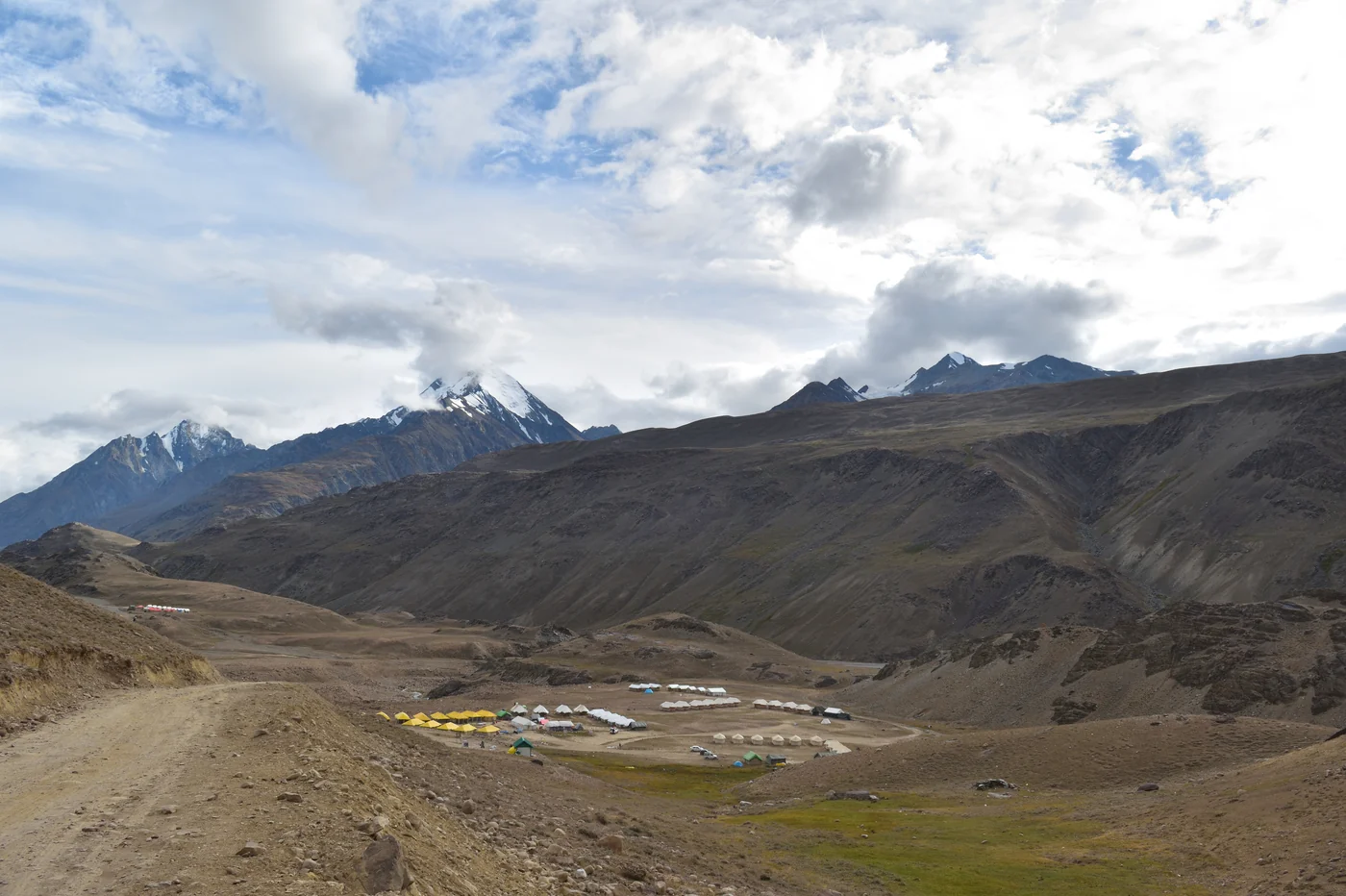
Low-Impact Riverside Wilderness Camps
Breathable 450 GSM ripstop canvas tents pitched strictly 50 meters set back from pristine trout streams. We adhere to zero riverbank erosion guidelines, utilize waterless separation dry toilets, and enforce an absolute campfire ban to save decaying deodar forest humus.

Forest Orchard Living Retreats
Quiet sanctuaries built directly amidst heirloom apple, walnut, and apricot groves. Positioned at the fringe of the Great Himalayan National Park, these stays offer silence broken only by the whistling thrush, direct trail access to sacred devta clearings, and fresh stone-ground grain bread.
Why Unregulated Wild Camping Is Strangling Himalayan Lakes & Passes
In places like Chandratal, Kheerganga, and Triund, aggressive mass-tourism operators pitched thousands of cheap PVC tents directly on fragile alpine wet meadows. The consequence: frozen human waste in water tables, microplastic contamination, and mountain wildlife displacement.
- Strict Zero Single-Use Plastic Policy: All provisions carried up in stainless dabbas and waxed canvas sacks.
- Dry Composting Mandate: No wet chemical pit toilets near permafrost or subterranean runoff.
- Waste Audit Weight Verification: Everything carried into the valley is re-weighed and carried back down to Shimla or Kullu.
Unlike commercial hotel aggregators that take 25-35% commission, 100% of accommodation money goes directly to the family running the homestay.
No ceremonial bonfires on wild camping expeditions. Living and dead Himalayan cedar wood is sacred forest biomass needed for sub-alpine soil ecology.
We do not pitch in virgin pasturelands without formal panchayat community approval and local seasonal rotational grazing agreement.
The Reality of Living with a Himalayan Family
A homestay is an invitation into an ancient agrarian rhythm, not a hotel with reduced staffing. Setting truthful expectations ensures joy for both traveler and mountain host.
Dry Toilets vs Western Plumbed
In Spiti and winter Kinnaur, sub-zero cold freezes pipes instantly. Traditional dry-compost Spitian toilets using ash and sawdust are ecologically superior, odorless, and fertilize summer barley crops. In lower Tirthan valleys, clean western attached bathrooms are standard.
Kitchen Feasts vs Menu Ordering
There are no 24/7 multicuisine menus. You will eat what the family eats: organic red rice, siddu with walnut ghee, freshly harvested rajma beans, buckwheat pancakes (chilra), and mountain spinach stir-fried over slow pine flames.
Digital Silence & Cellular Realities
While BSNL and Airtel maintain basic 4G towers in valley headquarters, deep villages frequently face power-cuts or weather blackouts. We provide battery backups for essential medical charging, but encourage complete mental disconnection.
Valley Sunset Curfew & Rest
Himalayan villages wake with the sun at 5:00 AM to tend cattle and irrigate orchards. Evenings settle early; dinner is eaten together by 8:00 PM, and quiet hours begin by 9:30 PM. Late-night loud music is strictly forbidden across all community villages.
Handpicked Stays & Field Journeys
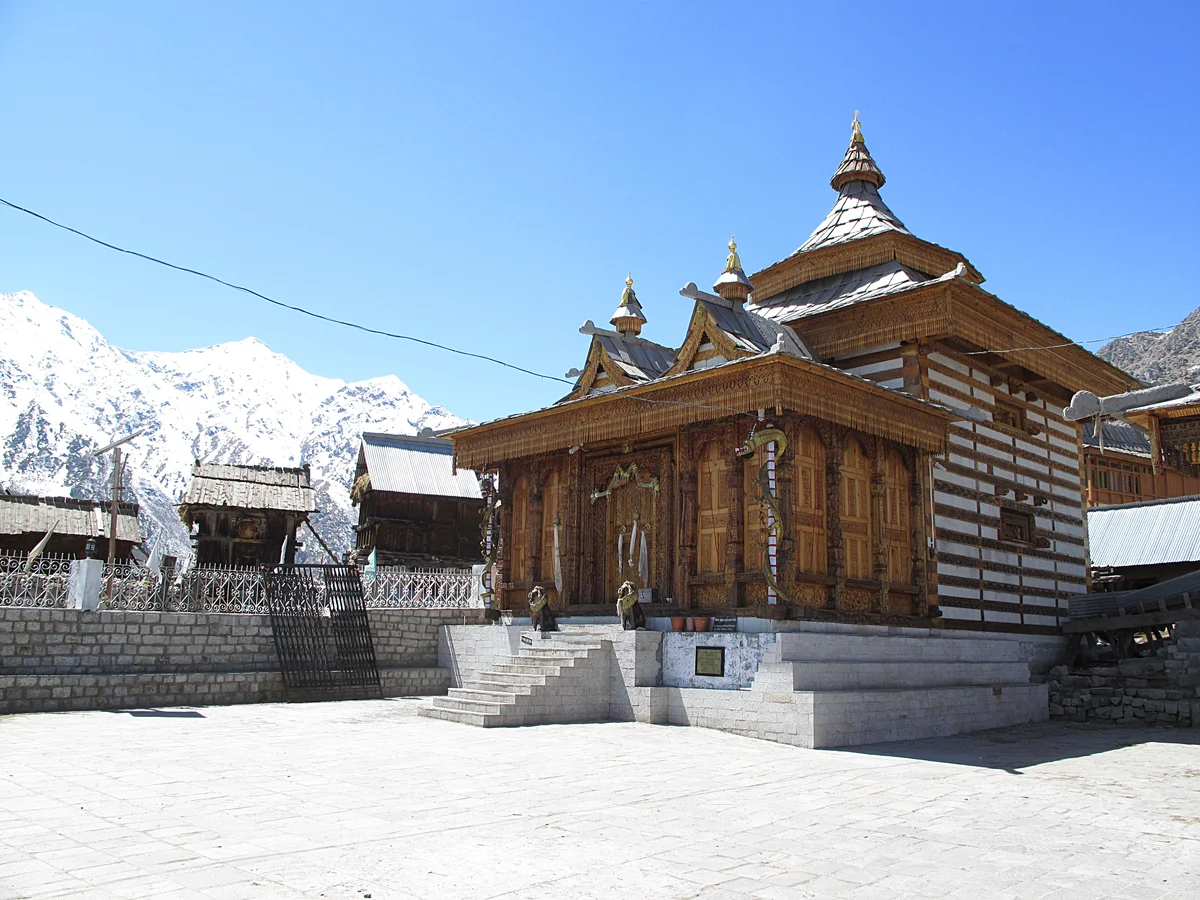
Baspa Valley Slow Residency
A six-day immersive stay alternating between a heritage timber homestay in Rakchham and a riverside camp near Chitkul’s last Indian border post. Includes wild herb foraging with village elders and private evening sessions on Kinnauri loom weaving.
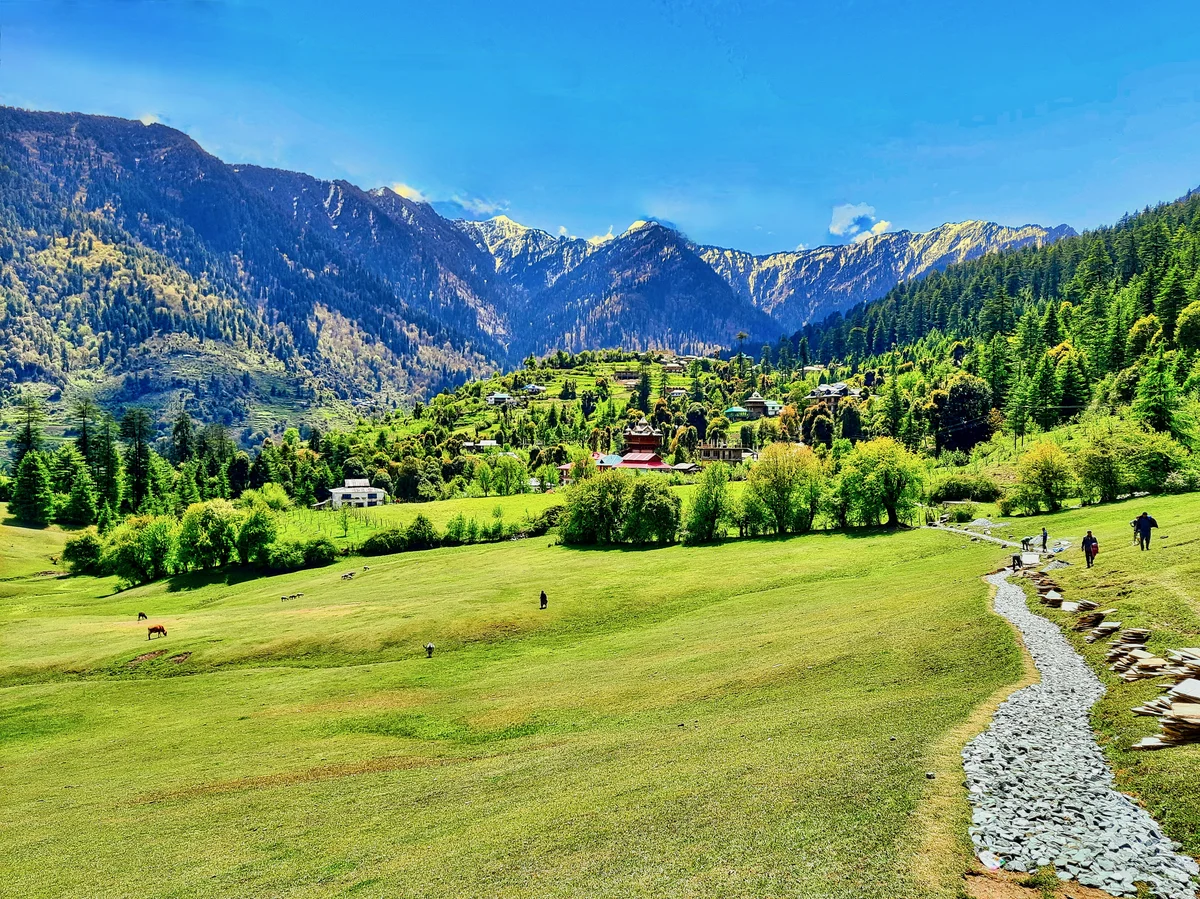
Tirthan Forest & Shangarh Meadow Sanctuary
Five days dedicated to valley healing. Wake up in a secluded walnut orchard cottage, trek into Great Himalayan National Park with a local community naturalist, and spend two nights in the mythical meadow bowl of Shangarh listening to temple bell echoes.
Frequently Addressed Inquiries
How do homestays manage heating in sub-zero months?
Are these homestays suitable for elders and children?
Can dietary restrictions (Vegan, Jain, Gluten-Free) be honored?
What is the drinking water sanitation protocol?
Find a Himalayan Homestay or Camp
Tell us your preferred month, altitude tolerance, and travel party. We will connect you directly with genuine village hosts across Kinnaur, Spiti, and the Kullu valleys.