
Millennium-old silence and living lineages.
High above the noisy river corridors lie mud-walled sanctuaries that have preserved ancient Tibetan Buddhist scriptures, fresco art, and meditative practices intact for over a thousand years.
Gompas Clinging to High Desert Cliffs
Constructed from sun-baked mud brick, river stones, and ancient cedar timbers, these living sanctums have survived extreme altitude freeze cycles and political tumult since the 10th century.
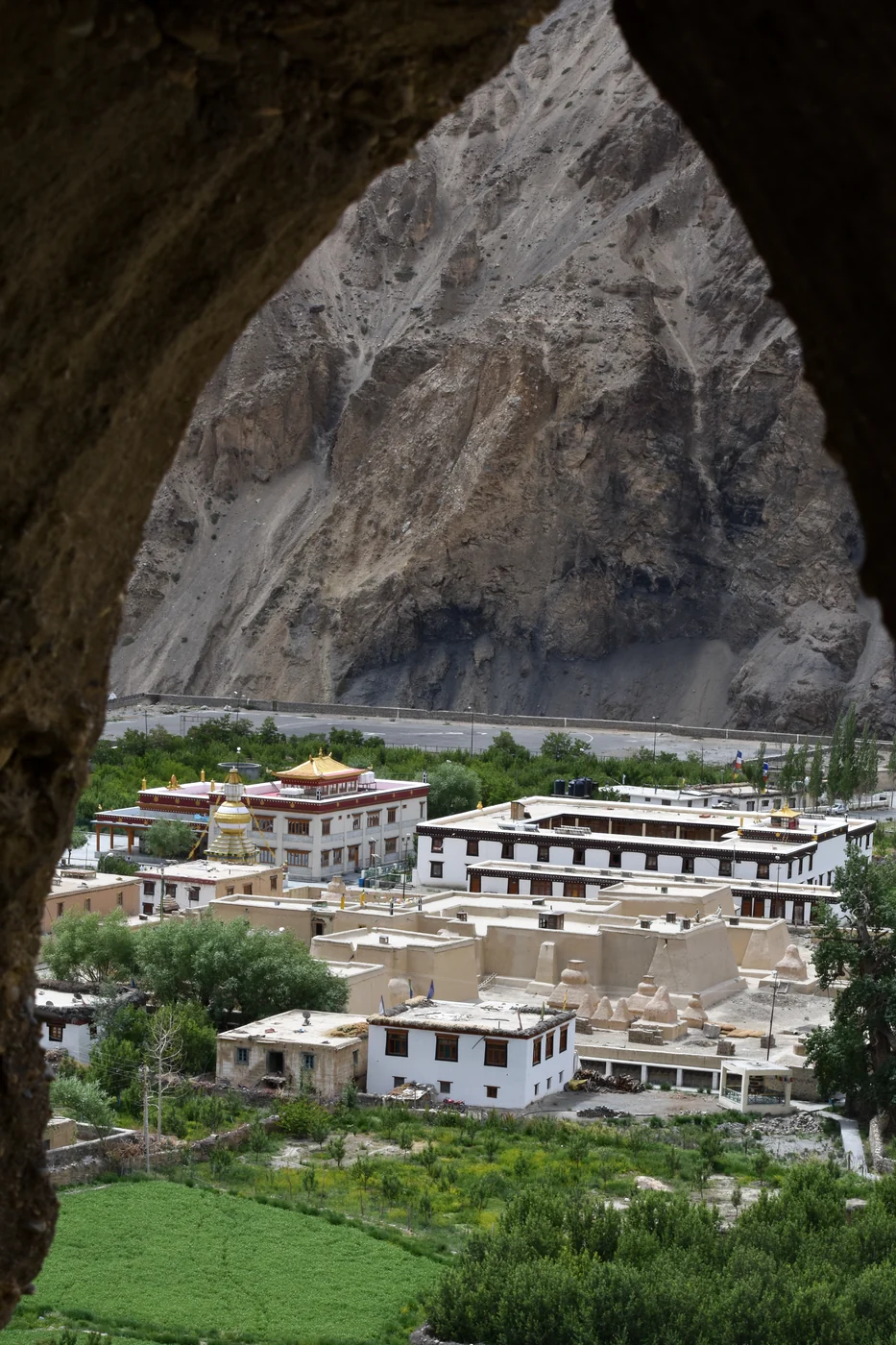
Tabo Monastery — The Ajanta of the Himalaya
Founded in the Year of the Fire Ape by great scholar Rinchen Zangpo, Tabo stands as one of the oldest continuously functioning monastic complexes in the Tibetan cultural world. Unlike hillside fortress monasteries, Tabo rests on flat valley earth with mud-brick subterranean meditation grottoes. Its dark interior sanctums house pristine 10th-century stucco sculptures and wall frescoes preserved flawlessly by the arid, bone-dry Spiti atmosphere.
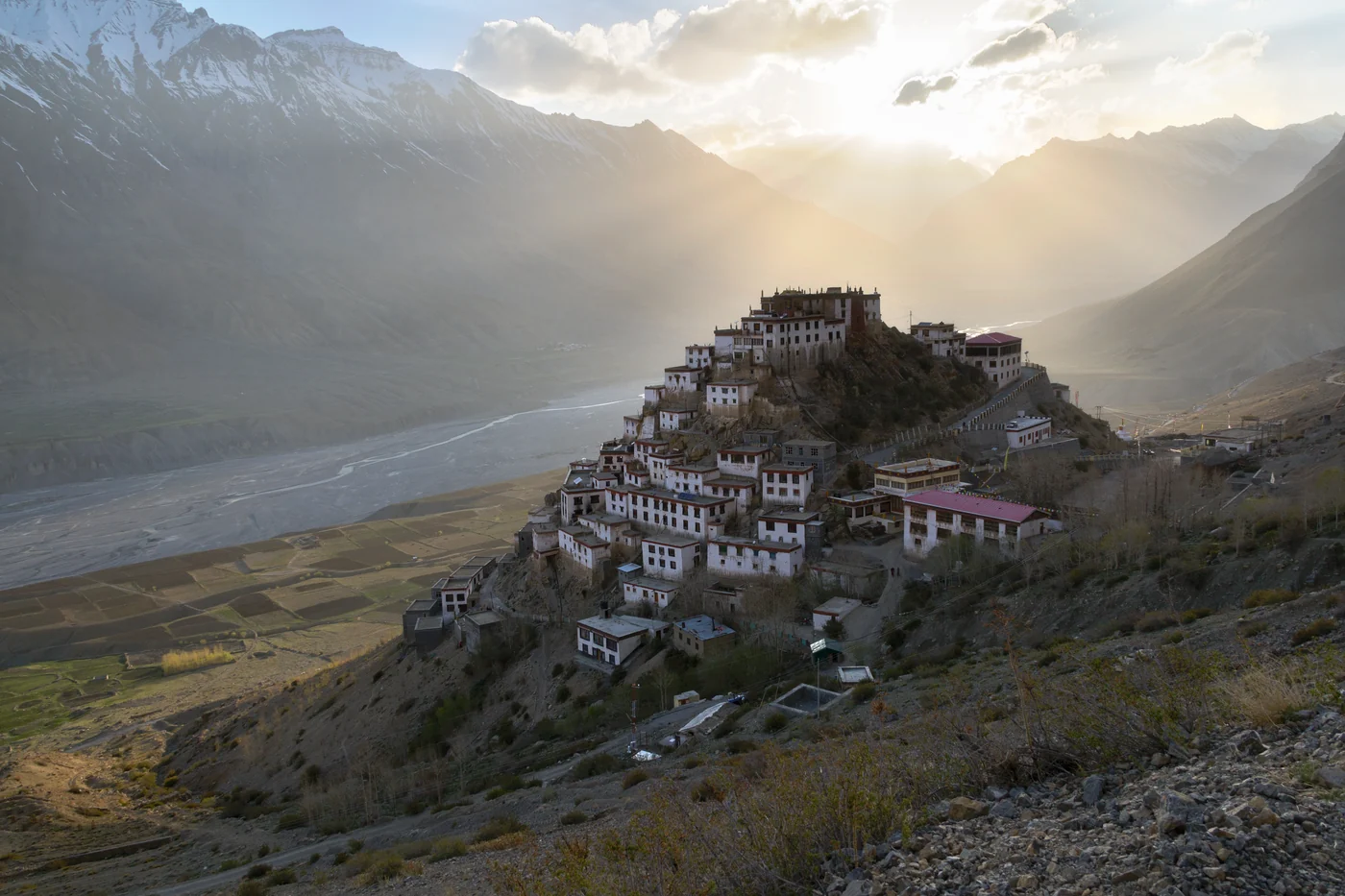
Key Monastery (Kye Gompa)
Surviving Mongolian invasions, earthquakes, and winter sieges, Key resembles a defensive citadel clinging precipitously to an austere barren promontory. It trains approximately 300 young monks and houses centuries of illuminated thangkas, long copper horns (dungchen), and the ceremonial private suite maintained exclusively for His Holiness the 14th Dalai Lama during Kalachakra visits.
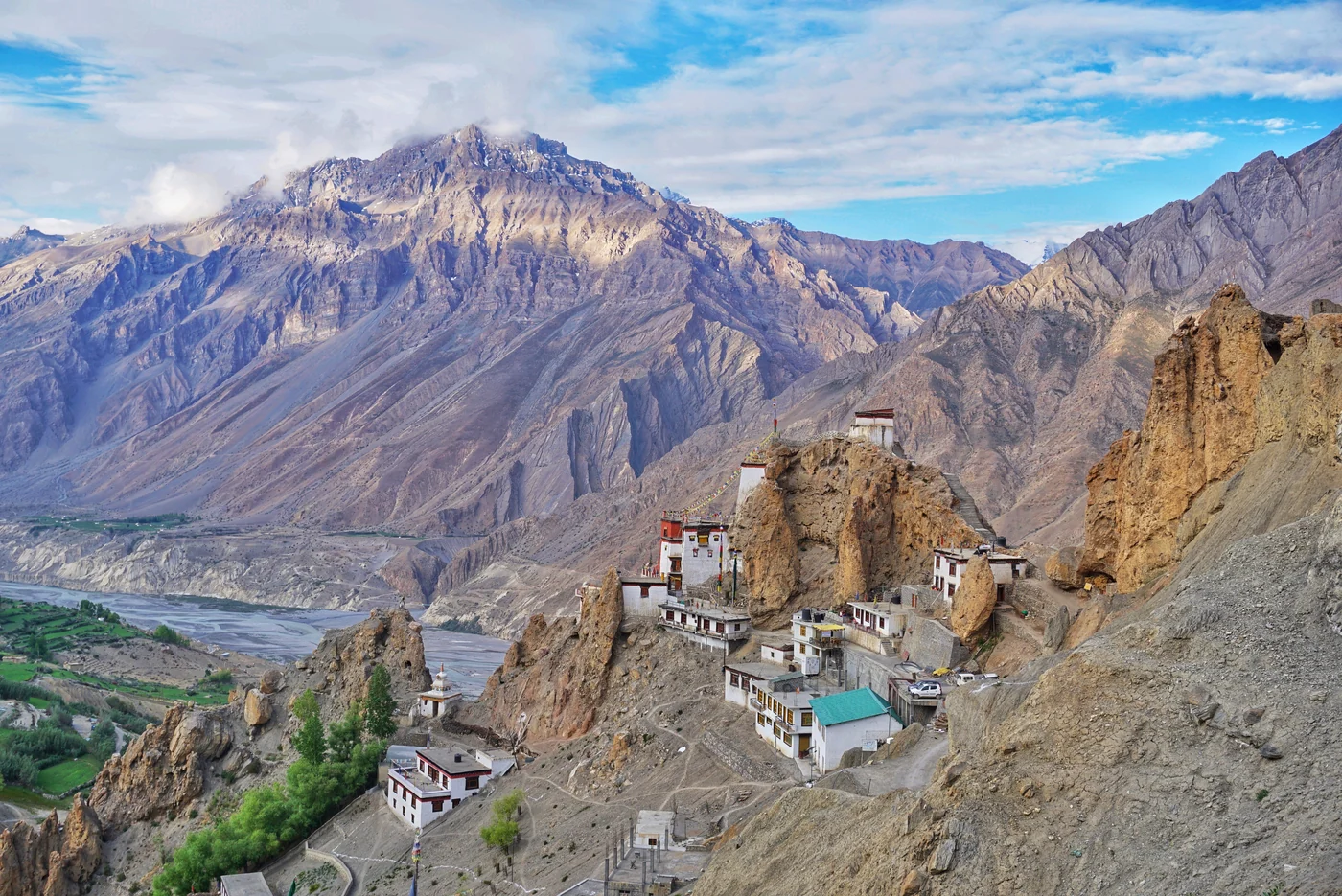
Dhankar Gompa & Fort Hermitage
Perched dangerously on razor-sharp mud pinnacles above the confluence of the Spiti and Pin rivers, Dhankar was the historic seat of the Spiti kings. Its meditational cells offer dizzying vertical drops and profound acoustic isolation.

Kathkuni Cedar Temples & Devta Shrines
Where Tibetan Buddhism converges with indigenous mountain animism. Kamru Fort in Sangla, Bijli Mahadev above the Beas, and Naggar Castle utilize the earthquake-resilient interlocking timber technique (Kathkuni) that shifts fluidly without mortar.
Principles of Slow Cultural Travel
Himalayan monastic and indigenous culture is not an open-air museum staged for visitors. It is an unhurried, living spiritual ecology demanding contemplation, space, and quiet deference.
Kora & Circumambulation
Always walk clockwise around chortens, gompa sanctuaries, and mani stone walls. Spin prayer wheels in the clockwise direction of the sun, holding mindful pace and observing meditative silence.
Morning Puja Chantings
Monastery prayer halls fill with deep throat chanting and butter lamp incense between 5:30 AM and 7:00 AM. Enter quietly, sit cross-legged near the rear edge without raising your feet toward the altar, and abstain from device photography.
Devta Groves & Village Protocols
Kinnauri and Kulluvi villages venerate local deities (Devtas). Sacred deodar forests forbid leather items, smoking, or litter. Always ask village elders before entering inner courtyard enclosures.
Seasonal Living Festivals: Fagli & Losar
From the winter snow dances of Fagli in Kinnaur to Spiti's Losar (Tibetan New Year) mask dances (Cham), our travelers participate only through direct host family invitation with local community hosts.
Himalayan Culinary Lineages
High-altitude nourishment shaped by harsh winters, wood-fired hearths (bukhari), and ancestral preservation methods.
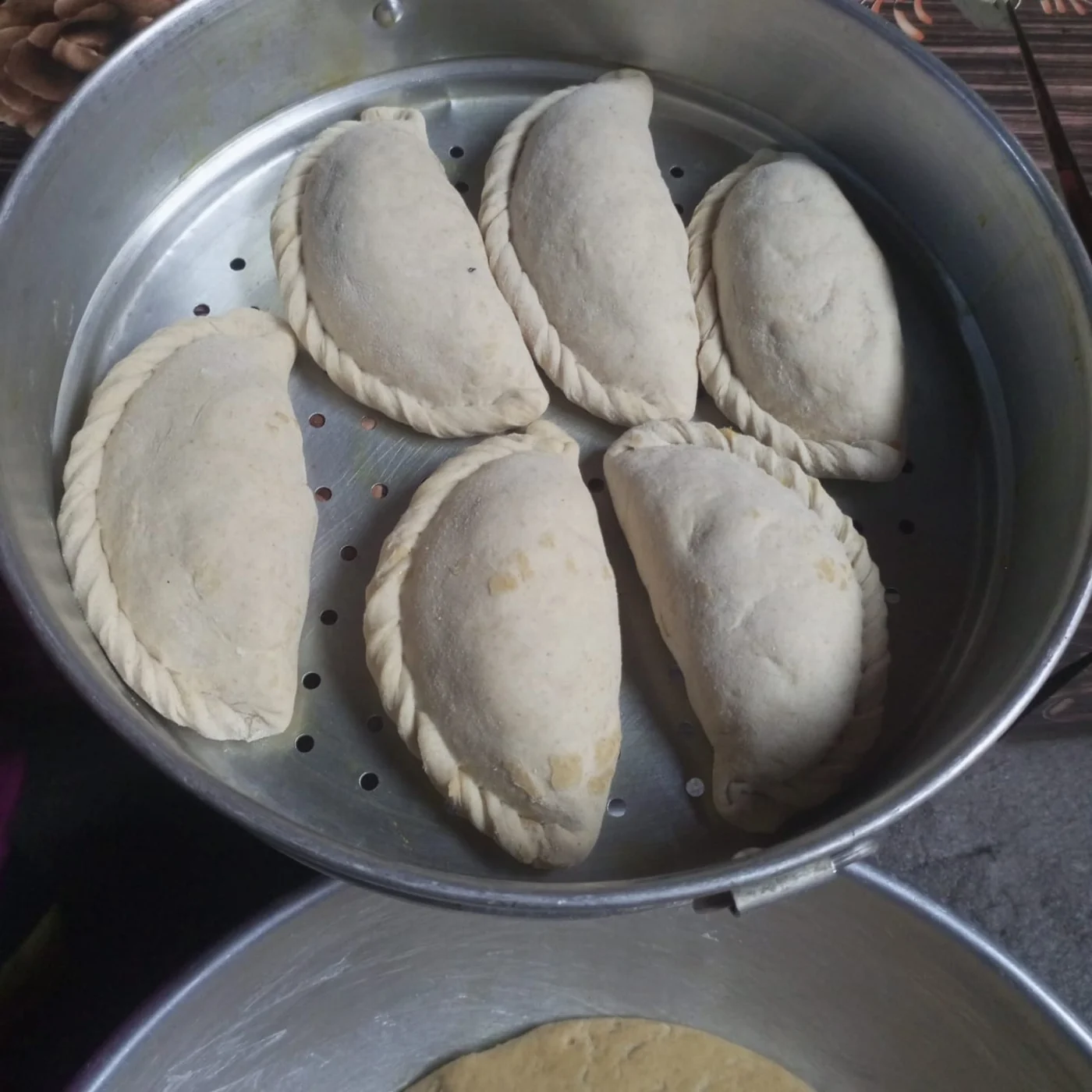
Siddu & Ghee
Fermented wheat dough steamed over wood-smoke, stuffed with crushed walnuts, poppy seeds, and dipped in piping hot clarified mountain butter.

Buckwheat Flatbreads
Cold-hardy buckwheat ground at stone river mills, cooked dry on iron pans and eaten alongside wild herb chutneys and stinging-nettle soup.
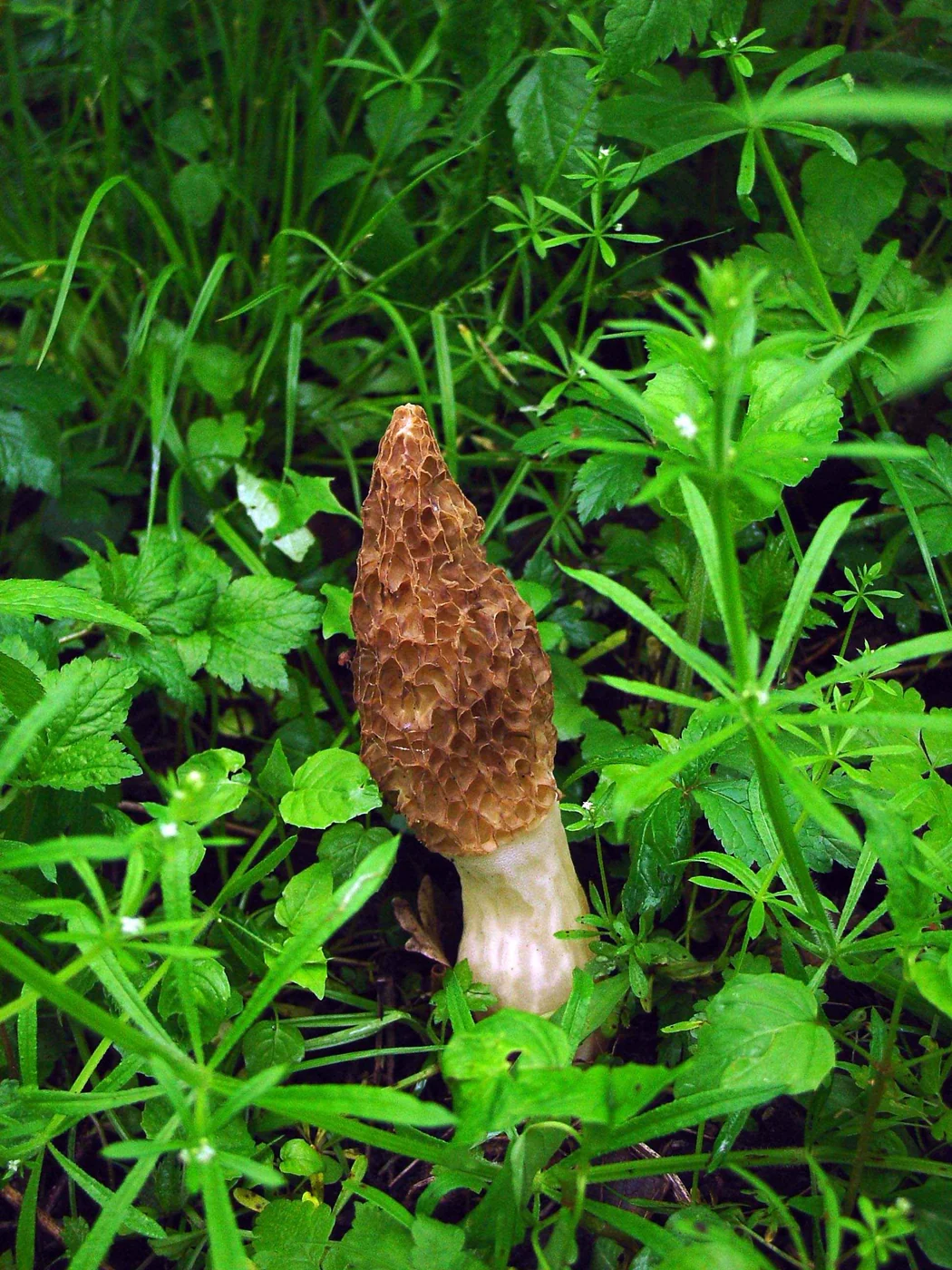
Wild Guchhi Morels
Prized wild-foraged mushrooms collected from moist conifer forest floors post-spring thaw, cooked sparingly with rice during sacred feasts.

Barley Chhang
Gentle indigenous fermented mountain barley drink offering thermal comfort during sub-zero Spiti nights, offered first to hearth spirits.

Sun-Dried Apricots
Naturally desiccated over slate rooftops in Kinnaur, yielding concentrated natural sugars and antioxidant kernel oil used for skin and digestion.
Curated Spiritual & Heritage Routes
Engineered for gradual physiological acclimatization, minimal driving hours, and maximum immersion in peaceful settlements.
Monastic Trail of Spiti & Kinnaur
Ascending gradually via the Hindustan-Tibet Highway through Kinnaur's apple valleys before crossing into the cold desert monastery stronghold of lower and middle Spiti.
Sacred Valleys of Upper Himachal
Focusing on the mysterious timber kathkuni temples, deep deodar sacred forests, and quiet artist sanctuaries of Tirthan, Sainj, and the upper Kullu watershed.
Sacred Etiquette & Photography Discipline
To protect fragile ancient pigments and honor meditative community spaces, travelers with Travelroop agree to uphold strict ground standards.
Zero Flash on Ancient Murals
Tabo's 10th-century natural mineral pigments disintegrate under high UV flash. Flash photography inside any gompa interior is strictly prohibited.
Footwear & Headwear Rules
Remove outdoor footwear at thresholds. Hats, beanies, and sunglasses must be removed prior to stepping inside prayer halls and deity sanctums.
Modest Mountain Clothing
Shoulders and knees must remain covered. Comfortable loose woolens and wraps are encouraged for long quiet sitting during morning meditations.
Permitted Offerings
Direct gifts of packaged processed food or plastic trinkets are discouraged. Butter for lamps or modest currency donations to the monastic trust are customary.
Verified Mountain Field Intelligence
Our trip designers work exclusively with native Spiti and Kinnauri custodians who maintain intimate ties with resident monastery committees. We ensure your visit directly funds restoration trusts and community kitchens.
Consult on a Cultural Journey
Share your available travel dates, party size, and cultural interests with our Himalayan logistics planners for a paced itinerary tailored to seasonal realities.