Trek Dossier 01
Gentle / Moderate
Kullu Valley
Bijli Mahadev Ridge Traverse
Perched atop the Mathan plateau between the Beas and Parvati rivers, this ridge walk travels through ancient deodar woodlands to the famous lightning-struck stone shrine. Perfect for those looking to acclimatize before higher alpine expeditions or hikers testing their mountain footwork.
Traverse Vector Sequence
● Chansari Base (1,810m)
──→
● Deodar Forest Halt
──→
● Lightning Ridge Plateau (2,460m)
Max Altitude
2,460 m
Duration
1–2 Days
Season Window
Apr – Nov
Reserve Ridge Guide
₹4,200 per person · Local Kullu Lead
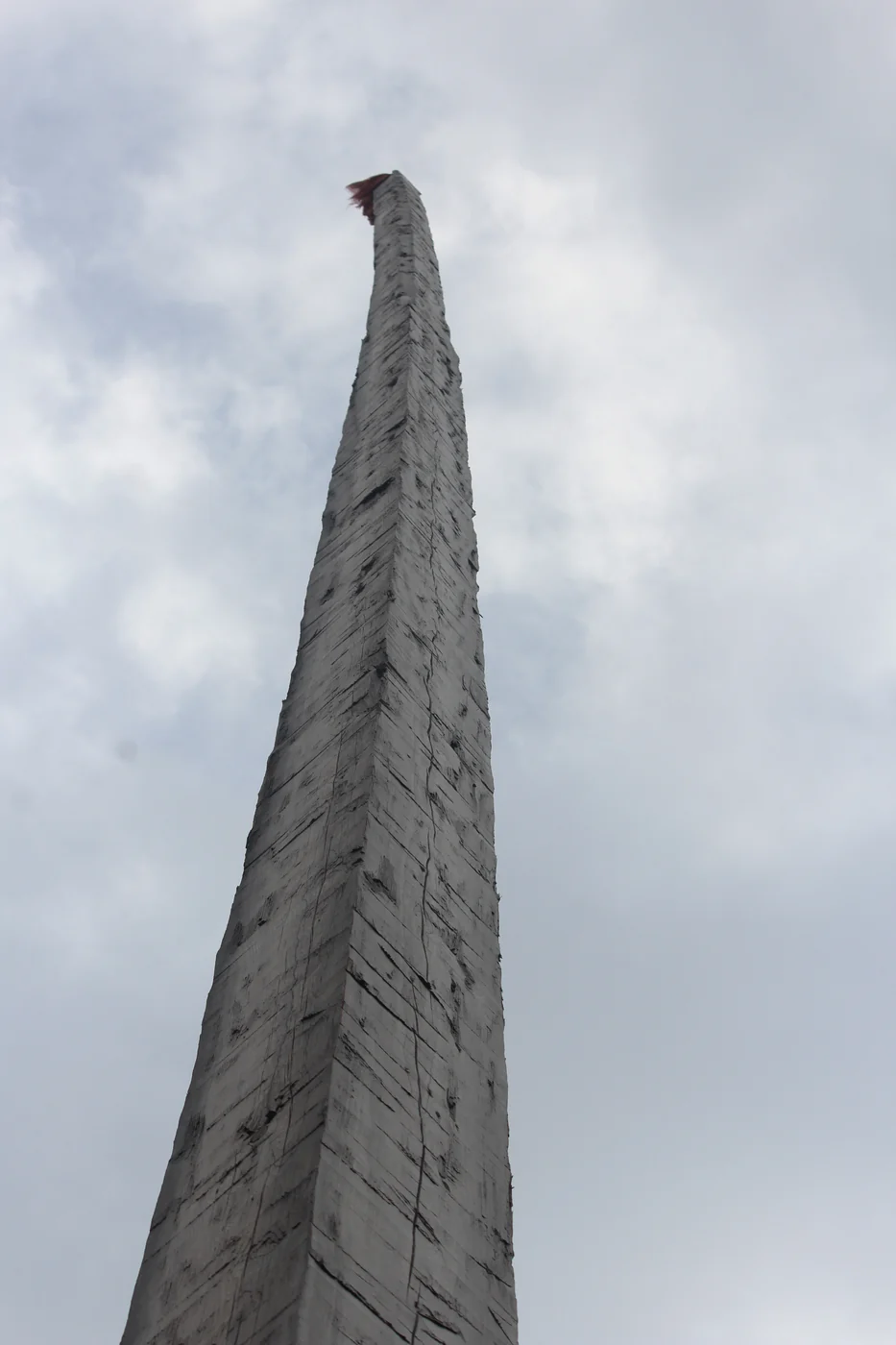
Altitude Stamp · 2,460m ASL
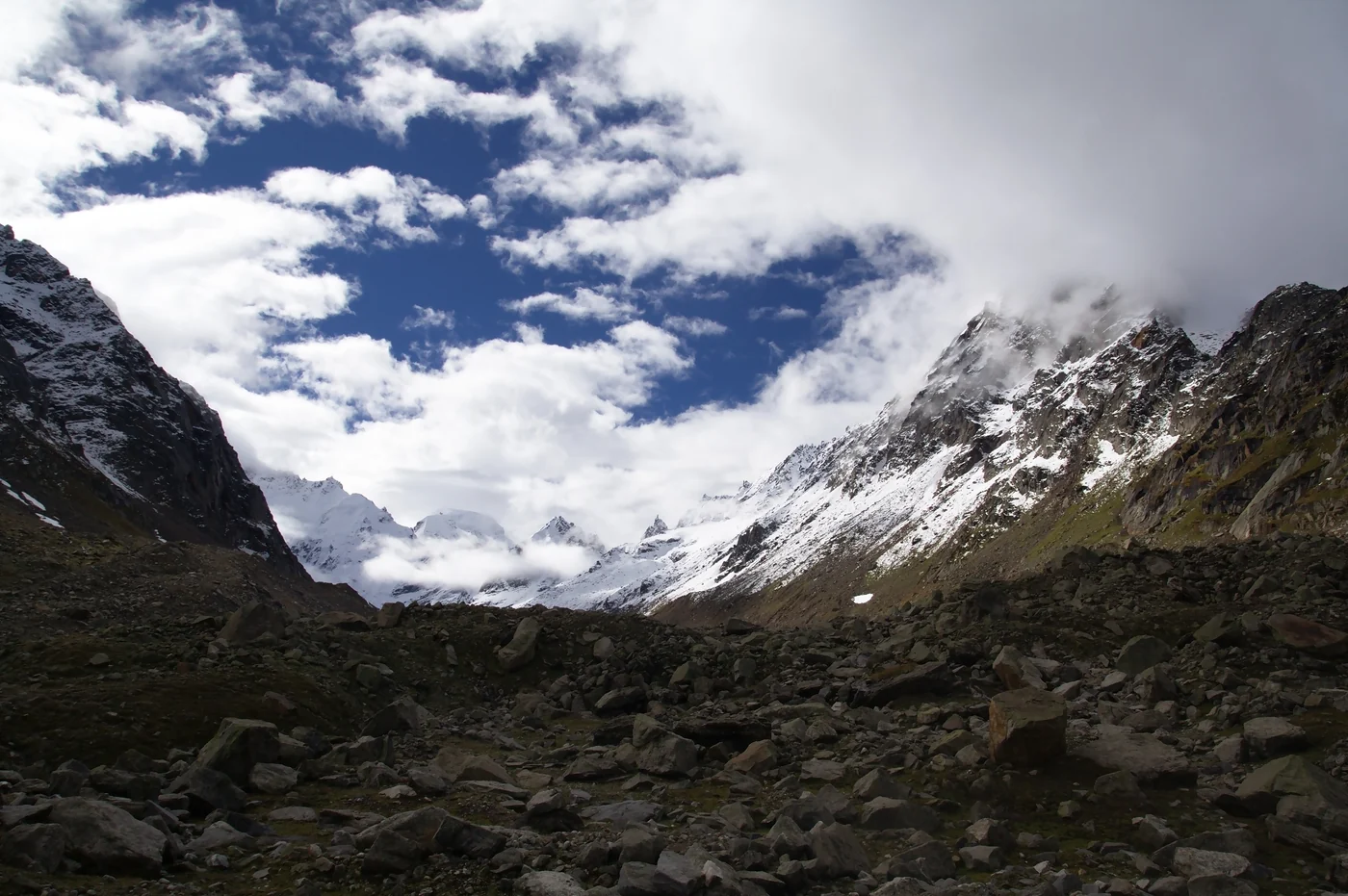
Clear panorama of Pir Panjal & Great Himalayan ranges
Grade I